
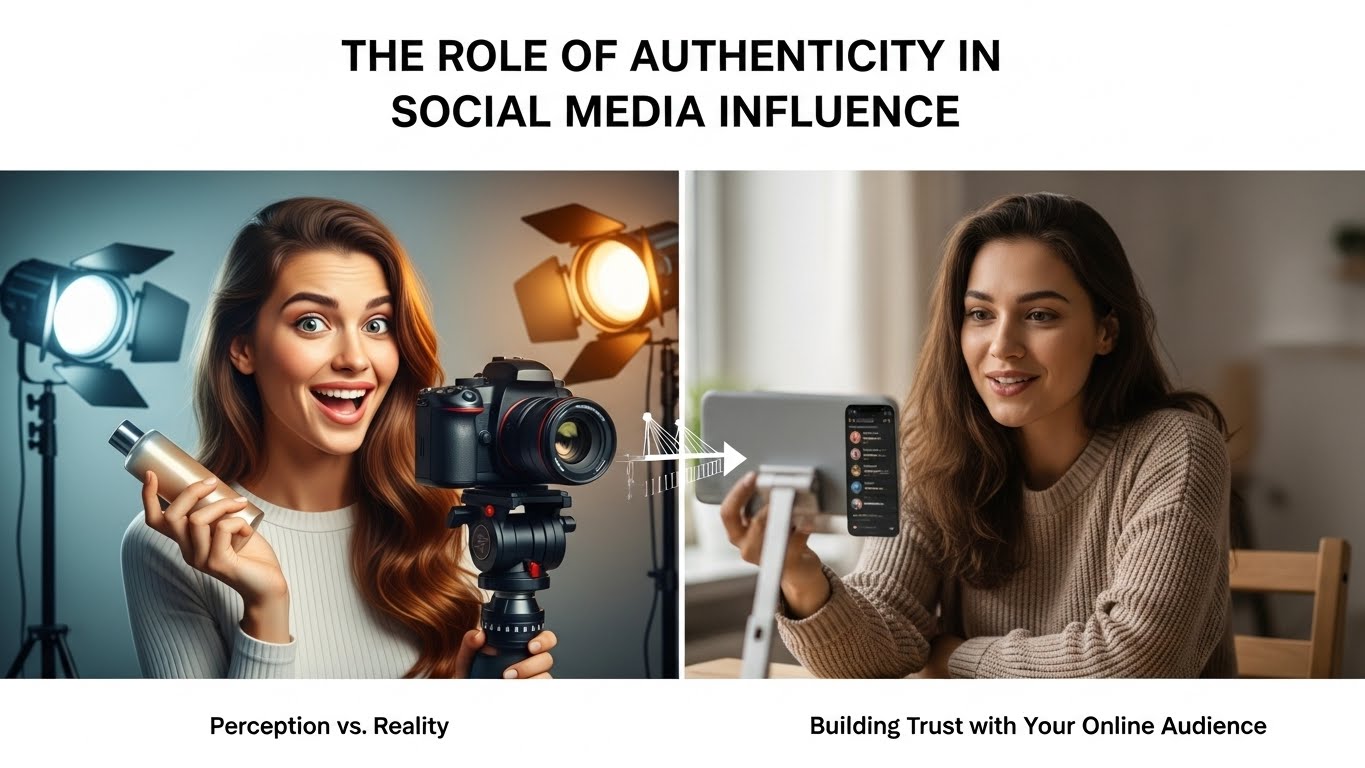
The Role of Authenticity in Social Media Influence: Building Trust with Your Online Audience
In the ever-evolving landscape of social media, the quest for authenticity has become a cornerstone of successful influence. As consumers grow increasingly savvy, they seek genuine connections with influencers who resonate with their values and experiences. This growing demand for authenticity has reshaped how influencers create content and engage with their audiences. But what does authenticity truly mean in the context of social media, and how can influencers leverage it to build trust with their online audience?
Understanding Authenticity in Social Media
Authenticity on social media extends beyond merely showcasing one’s real self; it encompasses transparency, honesty, and genuine engagement. In an era where filters and curated personas are rampant, being authentic means showing vulnerability, sharing personal stories, and maintaining consistency between online and offline identities. For influencers, authenticity means aligning their content with their true selves and values, allowing their audience to connect on a deeper level.
Authenticity also involves engaging in honest interactions with followers. This could be through responding to comments, participating in discussions, and admitting mistakes when necessary. Such openness fosters trust and encourages followers to view influencers as relatable individuals rather than distant celebrities.
The Impact of Authenticity on Audience Trust
Trust is the currency of influence. When influencers are perceived as authentic, they are more likely to earn the trust of their audience. Trust is built through consistent and genuine interactions, where followers feel valued and heard. Research shows that authentic brands and individuals tend to have more loyal followers who are willing to engage with and promote their content.
An influencer’s authenticity can also impact the perception of the products or services they endorse. When followers trust an influencer’s opinion, they are more likely to believe in the quality and value of the endorsed product. This can lead to higher conversion rates and a more engaged audience.

Strategies for Cultivating Authenticity
Building authenticity is a multifaceted process that requires intentional effort. Here are several strategies that influencers can employ:
- Share Personal Stories: Personal stories connect with audiences on an emotional level. Sharing life experiences, challenges, and successes can make influencers more relatable and humanize their brand.
- Maintain Consistency: Consistency in messaging, tone, and values across all platforms is crucial. An influencer’s online persona should accurately reflect their real-life identity and beliefs.
- Engage Meaningfully: Genuine engagement goes beyond liking comments. It involves thoughtful responses, acknowledging follower contributions, and creating a sense of community.
- Be Transparent: Transparency about sponsored content and partnerships is vital. Followers appreciate honesty, and disclosing affiliations builds credibility.
Examples of Authentic Influencers
Many influencers have successfully leveraged authenticity to build substantial followings. Consider Gary Vaynerchuk, a serial entrepreneur known for his candid approach and no-nonsense advice. His authenticity resonates with audiences who appreciate his transparency and emotional intelligence.
Another example is Greta Thunberg, an environmental activist whose genuine passion for climate change has inspired millions. Her unfiltered communication style and dedication to her cause make her a powerful voice on social media.
The Challenges of Maintaining Authenticity
Despite its benefits, maintaining authenticity poses challenges. The pressure to produce content that resonates with a broad audience can lead to compromising one’s true self. Influencers may also face scrutiny from followers who question their motives or mistake authenticity for oversharing.
Moreover, the commercial aspect of influencing can complicate authenticity. Balancing sponsorships and genuine content requires careful consideration to ensure that partnerships align with an influencer’s values and audience expectations.

Conclusion: The Future of Authenticity in Social Media
As social media continues to evolve, the role of authenticity will only become more pronounced. Influencers who prioritize genuine connections and maintain transparency will be best positioned to build lasting relationships with their audience. Authenticity is not just a trend; it is a fundamental principle that underpins trust and influence in the digital age.
By embracing authenticity, influencers can navigate the complexities of social media, fostering communities that are not only engaged but also supportive and loyal. As the demand for genuine interactions grows, authenticity will remain the key to unlocking the full potential of social media influence.
Navigating the Balance Between Authenticity and Privacy
One of the nuanced challenges influencers face is finding the right balance between being authentic and maintaining personal privacy. While followers crave a glimpse into influencers’ lives, it’s crucial to set boundaries on what to share. Influencers should carefully consider the aspects of their personal lives they are comfortable sharing, ensuring they don’t compromise their privacy or mental well-being.
Establishing a clear distinction between personal life and public persona can help influencers maintain this balance. For example, influencers might choose to share insights into their professional journey or personal hobbies while keeping family life private. This approach allows them to maintain authenticity without oversharing, preserving personal boundaries.
Building Long-Term Relationships Through Authenticity
Authenticity is not a one-time effort; it requires sustained commitment. To build long-term relationships with their audience, influencers need to continuously engage in authentic interactions. This involves not only sharing personal stories and insights but also actively listening to their audience’s feedback and adapting to their evolving needs.

Engaging in two-way communication is vital. By encouraging conversations and responding to audience input, influencers can cultivate a loyal community. This sense of community fosters a deeper connection, where followers feel invested in the influencer’s success and are more likely to support their endeavors.
The Role of Platform Algorithms and Authenticity
Platform algorithms play a significant role in how content is distributed and consumed on social media. While these algorithms can amplify authentic content, influencers must navigate their complexities to maintain visibility. Authenticity can sometimes clash with algorithm-driven pressures to produce viral content or frequent posts.
To maintain authenticity while working with platform algorithms, influencers should focus on quality over quantity. Consistently producing genuine, high-quality content is more likely to resonate with audiences and be favored by algorithms in the long run. Additionally, understanding how algorithms prioritize content can help influencers strategically plan their posting schedule without compromising their authenticity.
Case Study: Successful Authenticity in Influencer Marketing
Consider the success of influencer Emma Chamberlain, whose rise to fame is attributed to her candid and unfiltered content. By sharing her true personality and everyday experiences, she quickly built a large and dedicated following. Her approach to authenticity has not only attracted brand partnerships but also allowed her to launch her own successful coffee brand.
Emma’s case highlights the power of authenticity in influencer marketing. Her ability to connect with audiences on a personal level has created a loyal fan base that trusts her recommendations and supports her business ventures.
The Ethical Implications of Authenticity
As influencers strive for authenticity, ethical considerations come into play. Influencers must be mindful of the messages they convey and the impact they have on their audience. Authenticity should not be used as a façade for manipulating followers or promoting harmful behaviors.
By adhering to ethical standards, influencers can ensure that their authenticity is genuine and not a marketing tactic. This involves being transparent about paid partnerships, advocating for causes they truly believe in, and promoting products that align with their values and audience interests.

Conclusion: Embracing Authenticity for Sustainable Influence
The role of authenticity in social media influence is undeniable. It serves as a foundation for building trust, fostering meaningful relationships, and creating a loyal audience. As the digital landscape continues to evolve, influencers who prioritize authenticity will be better equipped to navigate challenges and sustain their influence over time.
In embracing authenticity, influencers not only enhance their personal brand but also contribute to a more genuine and trustworthy social media environment. By remaining true to themselves and their audience, influencers can create a legacy of positive influence that extends beyond the digital realm.
Practical Tips for Enhancing Authenticity
For influencers looking to enhance their authenticity, there are several practical steps they can take. These tips can help ensure that their online presence remains genuine and relatable:
- Reflect on Personal Values: Influencers should regularly reflect on their core values and beliefs. Aligning content with these values ensures consistency and sincerity in the messages they share.
- Embrace Vulnerability: Sharing challenges and failures can be as impactful as celebrating successes. Embracing vulnerability allows followers to see the human side of influencers, fostering deeper connections.
- Encourage Audience Interaction: Creating interactive content, such as Q&A sessions or polls, invites followers to engage directly. This not only boosts engagement but also provides insights into audience preferences and concerns.
- Continuous Learning: Staying informed about industry trends and audience interests helps influencers remain relevant and responsive. This adaptability is a key component of authentic engagement.
Leveraging Authenticity in Brand Collaborations

Authenticity is equally important in brand collaborations. When influencers partner with brands, they must ensure that the products or services align with their personal brand and audience values. Authentic partnerships are characterized by:
- Transparency: Clearly communicating the nature of the collaboration and any compensation involved builds trust with the audience.
- Genuine Use: Influencers should authentically use and review products before promoting them. This firsthand experience adds credibility to their endorsements.
- Storytelling: Incorporating brand messages into personal narratives makes promotions more engaging and relatable, enhancing authenticity.
Successful collaborations not only benefit influencers and brands but also reinforce the trust and loyalty of the audience, resulting in a win-win situation for all parties involved.
The Future of Authenticity in Digital Influence
Looking ahead, the demand for authenticity in digital influence is expected to grow. As technology advances and new platforms emerge, influencers will have more opportunities to connect with their audience in innovative ways. However, the core principle of authenticity will remain a guiding force in shaping meaningful interactions.
Emerging technologies, such as virtual reality and augmented reality, may offer new avenues for authentic engagement. These tools can create immersive experiences that bring followers closer to influencers’ lives, fostering a deeper sense of connection.
Moreover, as audiences become more discerning, they will continue to seek out influencers who prioritize authenticity. This shift will encourage more influencers to embrace genuine communication, setting a standard for integrity and transparency in the industry.
Conclusion: The Enduring Power of Authenticity
In conclusion, authenticity is the bedrock of effective social media influence. It enables influencers to build trust, foster meaningful relationships, and create a loyal community. By prioritizing authenticity, influencers can navigate the complexities of the digital landscape with integrity and purpose.
As the social media ecosystem continues to evolve, the enduring power of authenticity will remain a guiding light for influencers seeking to make a positive impact. By staying true to themselves and their audience, influencers can ensure their legacy is one of genuine connection and lasting influence.
About the Author