
Updated: March 16, 2026
In Brazil, the rise of sports Influencers Brazil has redefined how fans connect with athletes, teams, and brands, turning charisma into cultural currency and commerce. This evolution is not a flash in the pan; it reflects deeper shifts in media consumption, the maturation of Brazil’s creator economy, and the enduring appeal of football and other sports as shared experiences across demographics and regions. For brands, the opportunity is clear: access to audiences that are highly engaged, mobile-first, and responsive to authenticity and local context. For creators, success hinges on balancing entertainment, credibility, and monetization in a rapidly changing platform landscape.
Market dynamics reshaping sports Influencers Brazil
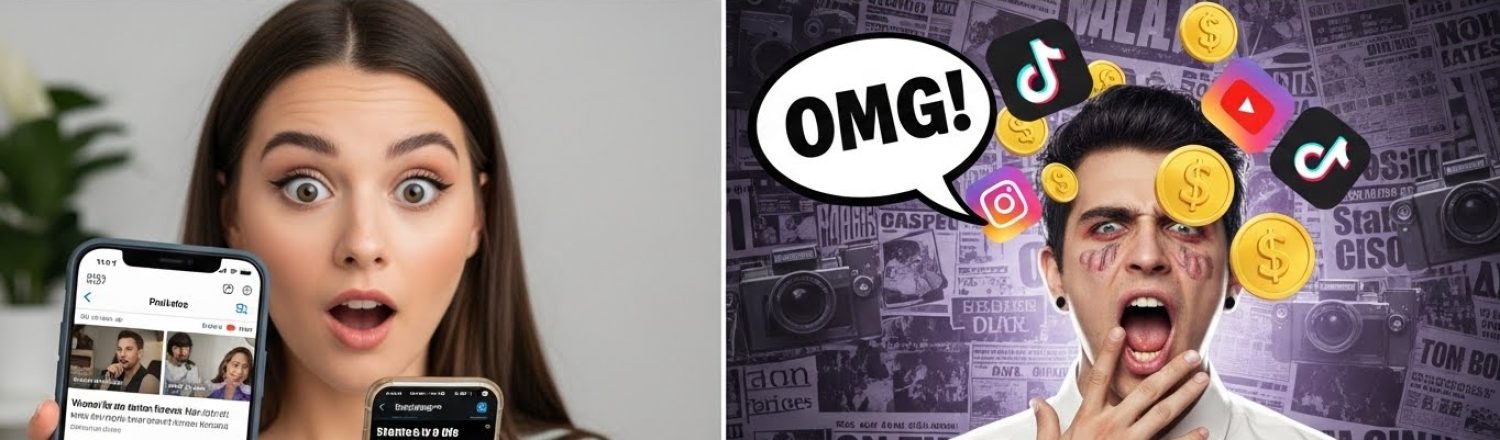
Brazil’s influencer market has shifted from celebrity-led endorsements to a more layered ecosystem where micro- and mid-tier creators command local trust. In practice, the most effective sports creators combine on-pitch expertise with media craft, delivering tactical breakdowns, training sessions, and behind-the-scenes access that fans crave. The social platforms that dominate Brazilian screens—short-form video on TikTok and Reels, long-form uploads on YouTube, and visual storytelling on Instagram—create a multi-format canvas where audiences move fluidly between entertainment and information. This fragmentation pushes creators to diversify content rhythms: episodic series around training blocks, live streams during match days, and short clips that capture crucial moments in real time. The consequence for brands is a shift toward longitudinal collaborations, co-branded series, and performance-based deals tied to sustained engagement rather than one-off posts. That alignment requires a careful calibration of messaging, cultural relevance, and measurable outcomes, especially in a market where fans are deeply invested in football clubs, regional identities, and star players.
Audience engagement and credibility sit at the heart of value creation for this ecosystem. Fans respond to creators who blend authentic sports insight with culturally resonant storytelling. In practical terms, this means content that respects local slang, avoids over-promotion, and invites fan participation—live Q&A sessions, collaborative videos with clubs, and community-driven challenges. Platforms reward sustained engagement with greater visibility, but fans quickly detect disingenuous partnerships. The most successful Brazilian creators treat sponsorships as natural extensions of a narrative rather than interrupts to it, which in turn makes brands more willing to invest in long-term, measurable campaigns rather than one-off stunts.
Monetization, risk, and platform shifts
Monetization remains the backbone, but revenue streams are becoming more complex. Sponsorships still drive the lion’s share, yet creators increasingly explore affiliate programs, limited-edition merchandise, event experiences, and equity-like partnerships in content ventures. Platform shifts complicate planning: TikTok’s growth tools are expanding, but payout timelines and algorithm volatility add risk; Instagram’s shopping and collab features reward creators who can translate a fanbase into direct sales; YouTube Shorts offers discovery but often requires longer-term content strategies for sustainable income. In parallel, Brazil’s regulatory environment shapes how creators disclose sponsorships and promote products. Industry bodies and self-regulatory codes emphasize transparency, while brand advertisers insist on clear return on investment metrics. The combination of volatile platform economics and compliance considerations encourages a pragmatic approach: craft long-term partnerships, demand integrated reporting, and design content that remains valuable beyond a single campaign cycle.
From a brand perspective, the emphasis is on credibility as a driver of ROI. When fans perceive a partnership as authentic—rooted in shared values, community impact, or genuine athletic insight—companies see higher engagement, longer attention spans, and better recall. Conversely, misalignment can erode trust across both the creator’s audience and potential sponsors. This has pushed some Brazilian creators toward more robust sponsorship vetting, stricter disclosure practices, and collaborative content that prioritizes storytelling over mere product placement. The result is a more mature market where sponsors expect durable partnerships, and creators seek income stability that supports professional growth, including access to training, travel, and exclusive experiences that deepen audience connection.
Regional ecosystem and brand partnerships in Brazil
Brazil’s sports ecosystem is not monolithic; it is geographically and culturally diverse. In major urban centers, creators chase campaigns linked to football clubs, leagues, and apparel brands, while in regional hubs they cultivate authentic ties to local teams, youth programs, and community events. This regional depth matters because fans trust creators who reflect their daily lives—the commute to games, the rituals of match day, and the streetwear that signals allegiance. Partnerships with clubs, academies, and regional sponsors can unlock exclusive content, but doing so requires careful alignment with local sensibilities and language, as well as practical considerations such as travel and production costs. For international brands, the payoff is access to a broad, multilingual audience; for Brazilian creators, it’s the chance to shape a narrative that resonates in multiple markets while maintaining a distinctly local voice. The smartest collaborations blend capital with culture, enabling creators to translate sponsorship into story arcs that fans perceive as authentic rather than transactional.
Beyond football, other sports communities—volleyball, basketball, and emerging e-sports divisions—offer additional avenues for creator partnerships. The regional mix means campaign design must be adaptable: a São Paulo-based creator may lean into club partnerships and stadium access, while a creator from the Northeast might emphasize community programs and grassroots leagues. This diversity is a strategic asset for brands that want broad reach among Brazil’s diverse fan base, provided they maintain a coherent brand narrative that travels across regions without losing local flavor.
Actionable Takeaways
- Diversify platform strategy to reduce reliance on a single algorithm or channel and to reach fans where they spend time.
- Invest in long-term, co-created partnerships with local sports creators who have authentic connections to clubs, leagues, and communities.
- Implement transparent sponsorship disclosures and comply with Brazilian advertising standards to maintain trust and brand safety.
- Localization matters: tailor content to regional cultures, language nuances, and match-day rituals to boost resonance.
- Measure success with multi-faceted metrics (engagement quality, watch time, and audience sentiment) and demand clarity on ROI from brand partners.
- Explore non-advertising revenue streams such as experiences, merchandise, and equity-like content ventures that align with creator goals.
Source Context
Background on the broader dynamics of influencers and sports business can be explored through these sources: