
Updated: March 16, 2026
Across Brazil, wellness Influencers Brazil have built sizable audiences by sharing routines, diets, and self-care philosophies. This rise has pressed platforms, brands, and regulators to confront questions of credibility, safety, and accountability. This analysis examines how wellness Influencers Brazil shape everyday health choices, where risks accumulate, and what stakeholders can do to align opportunity with public health in a Brazilian context.
The Ecosystem: Followers, Brands, and Algorithms
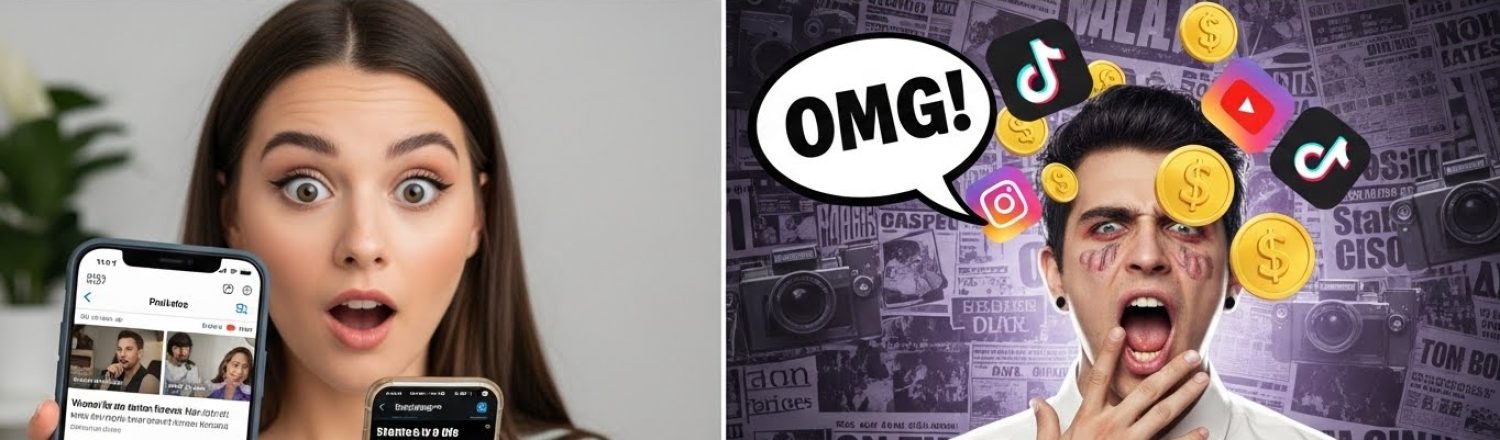
Engagement loops on Instagram, TikTok, and YouTube reward aspirational content that promises fast wins—weight loss, brighter moods, easier sleep. For many creators, audiences are built on authentic narratives as well as paid partnerships. The Brazilian market is notable for its diversity, with creators ranging from fitness coaches to holistic practitioners, fashion- and lifestyle-influencers who thread wellness into everyday life.
Brands chase reach and credibility, often favoring creators whose audiences demonstrate high interaction and long dwell times. The same algorithms that amplify relatable stories can also magnify misinformation when accuracy is uneven or cherry-picked data is presented as universal truth. In practical terms, this means a message about wellness can travel quickly from a single post to a broad, sometimes unverified, chorus of advice. Across Brazilian cities—from Rio de Janeiro to Recife—the content mix can reflect local health priorities, language nuances, and access to wellness services, making the ecosystem both vibrant and uneven in quality.
Health vs Hype: What Wellness Content Promises and Delivers
Brazilian wellness creators often blur lines between education, marketing, and personal experience. Some posts promise rapid transformations—detox routines, meal plans, or supplements—that sound credible but lack epidemiological backing. The consequence for audiences is mixed: some gain motivation and practical tips, while others encounter blind spots about potential side effects, contraindications, or long-term sustainability. The ecosystem rewards influencers who present clear sourcing, qualified disclaimers, and a transparent commercial relationship, which tends to earn sustained trust. However, when content relies on before/after visuals, sensational headlines, or testimonials without context, risk shifts from entertainment to potentially harmful information.
Practically, Brazilians consuming online wellness content often juggle multiple influences: peer communities, fitness apps, and local health providers. A critical habit is cross-checking claims with reputable sources, asking creators to share references, and seeking professional advice for personalized plans. Public health watchers emphasize the importance of health literacy as a public good: it reduces susceptibility to pseudoscience while supporting responsible behavior change.
Regulatory Watch: Compliance, Safety, and Accountability
In Brazil, advertising claims about health products undergo scrutiny from consumer protection agencies and platform policies. The dynamic is complicated by the speed of social media and the ease of cross-border sponsorships. For wellness creators, practical compliance means avoiding medical claims that imply diagnosis or treatment, clearly labeling sponsorships, and providing evidence-based context when discussing supplements or health routines.
Platforms respond with policy updates—fact-checking integrations, age gating, and warnings—that aim to reduce exposure to misleading content while preserving creative freedom. The challenge is ensuring that policy keeps pace with new formats, from short-form clips to live-streamed coaching sessions, without stifling legitimate health education. At the same time, Brazilian regulators continually refine guidance on advertising and consumer protection, signaling a push toward greater transparency around sponsored content and health-related claims.
Risks and Realities: Evidence, Impact, and Public Discourse
Public discourse around wellness content in Brazil reflects both enthusiasm and caution. Observers note a proliferation of tips that blend personal anecdote with generalized guidance, making it hard for viewers to separate experiences from universal facts. While many creators provide valuable routines and stress-reduction practices, others have drawn attention to gaps in safety signaling, such as lack of medical oversight for certain diets or supplements. The near-term impact includes shifts in consumer spending, self-perception, and health-seeking behavior, which can strain primary care if individuals rely on social media as their sole source of guidance.
Responsible creators invest in transparent sourcing, cite credible references, and encourage viewers to consult healthcare professionals for personalized advice. Regulators and platforms, meanwhile, seek better tools for detecting risky content without suppressing legitimate wellness education, aiming to balance innovation with consumer protection. The Brazilian context—with its regional media ecosystems and diverse audiences—highlights how misaligned incentives can produce both valuable information and misleading hype.
Actionable Takeaways
- For creators: foreground evidence, disclose conflicts of interest, and add disclaimers when discussing medical outcomes or supplements.
- For brands: require clear sponsorship disclosures, verify claims, and support creators who cite credible sources.
- For platforms: invest in context-rich recommendations, enhance moderation for health-related claims, and promote reliable, evidence-based content.
- For consumers: practice critical thinking, seek professional medical advice where appropriate, and compare online tips with scientifically grounded guidance.
- For regulators: clarify advertising standards, update guidelines for wellness products, and empower consumers with accessible safety information.