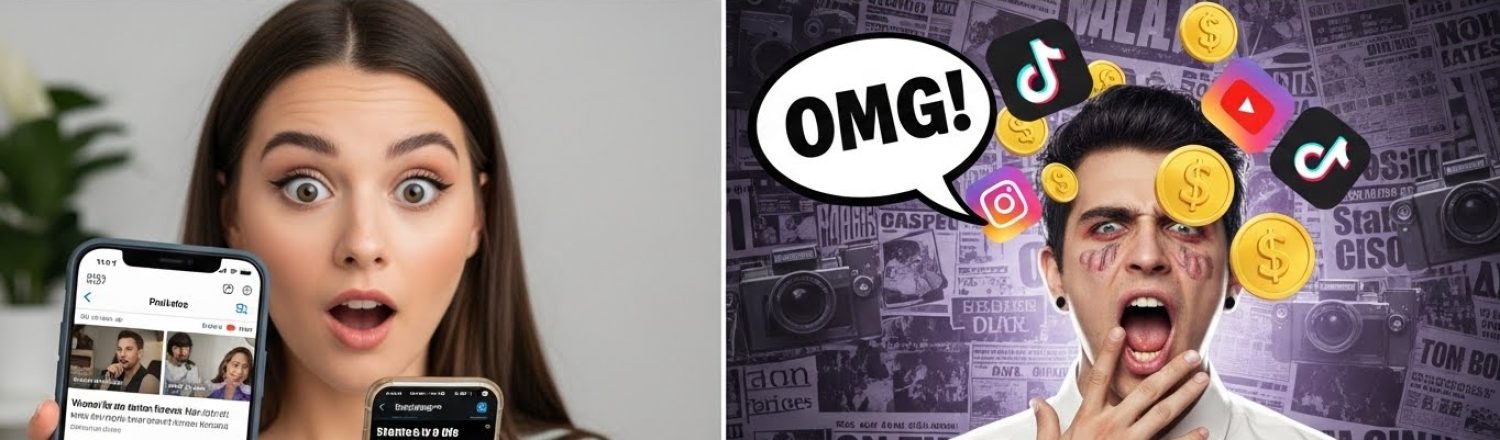
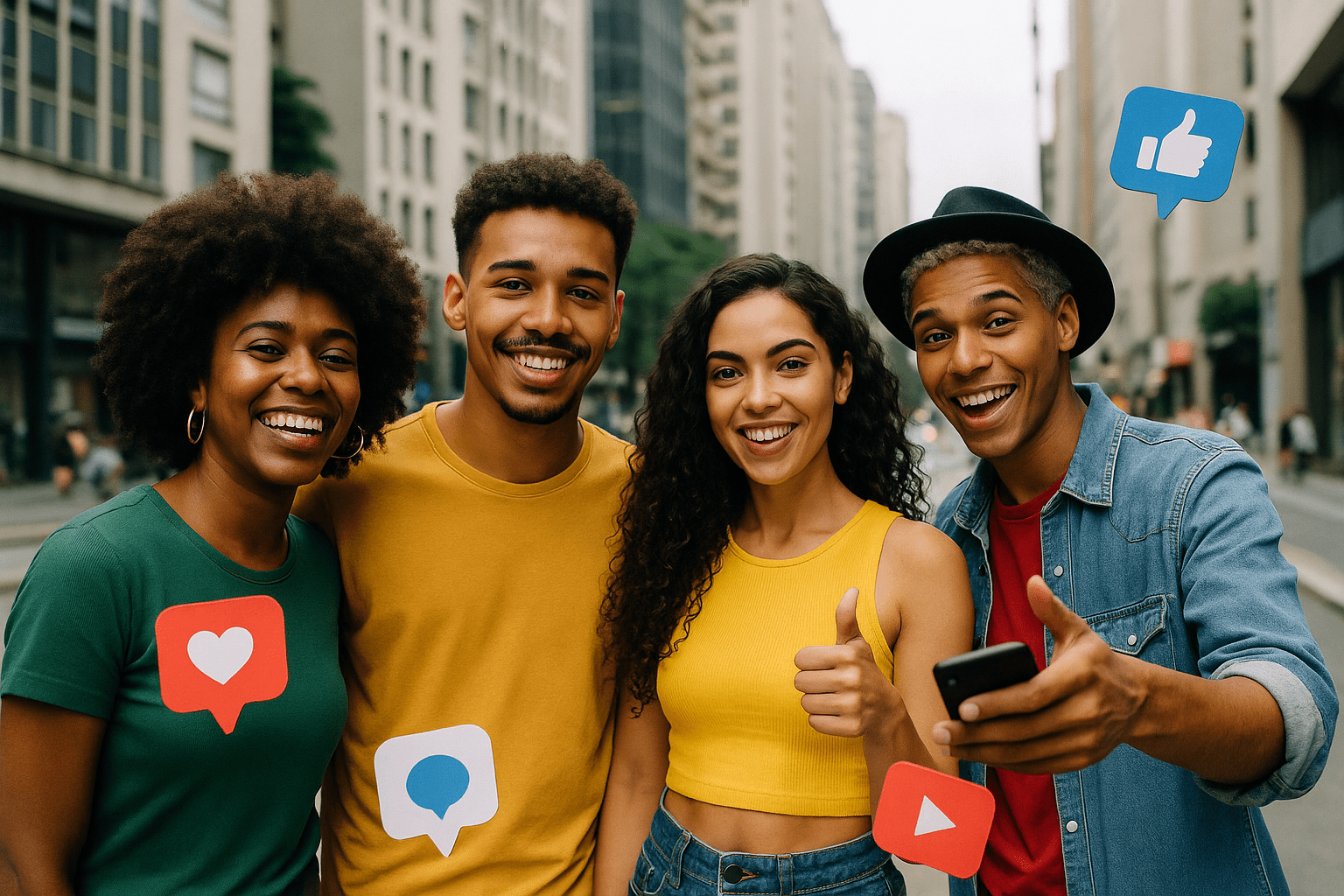
Editorial illustration of Brazilian influencers across urban scenes with social media icons
Updated: March 16, 2026
In Brazil’s bustling creator economy, events around high-profile figures have become a barometer for how online fame translates into real-world risk and public accountability. The recent reporting on a Brazilian influencer who died after undergoing a cosmetic procedure has intensified scrutiny of the industry, inviting a deeper look at how brazilian Influencers Brazil navigate health, commerce, and audience expectations. This analysis examines how the ecosystem shapes decision making, risk exposure, and the social contract between creators and their followers.
Context and stakes for Brazil’s influencer economy
The death of a 26-year-old Brazilian influencer, Derleya Alves, after a cosmetic procedure drew rapid coverage across local and international outlets. While specifics vary, the core pattern is consistent: a young creator leveraged beauty-centric content to build a sizable following, only to encounter medical risks that outpaced the public narrative of aspirational transformation. The case has reframed how audiences interpret “dream” aesthetics and the pressures placed on content creators to pursue visible, brand-friendly outcomes. For Brazil’s influencer ecosystem, this highlights the fragility of publicly constructed identities and the real-world consequences when medical decisions are amplified in the feed.
Industry data suggests a growing convergence between entertainment, commerce, and health decisions in the creator space. Followers increasingly expect frequent, high-production content that demonstrates transformation, while brands seek scalable, shareable moments. When a health-related outcome becomes public, it can ripple across collaborations, audience trust, and platform policy willingness. In short, the Derleya Alves case is less a single tragedy than a stress test for the externalities of fame in Brazil’s digital public square.
Platform economics and the risk calculus
Brazilian creators often monetize through a mix of sponsored posts, affiliate links, product launches, and live-streamed engagement. This monetization model rewards immediacy and visual impact, creating incentives to pursue sensational or highly aesthetic content. In practice, the same algorithmic preferences that drive growth can magnify risk: if a creator’s audience reward is tied to dramatic transformations, the pressure to chase “dream” outcomes—sometimes medical or cosmetic—intensifies. The financial upside of a high-visibility post can outpace the more cautious, long-horizon approach that prioritizes safety and informed consent.
The derivative effect is a landscape where audiences expect rapid, vivid validation of beauty norms. Brands, recognizing the monetization potential of aspirational messaging, may inadvertently encourage risk-taking by rewarding results-oriented narratives over process or safety disclosures. This dynamic isn’t unique to Brazil, but the local media environment—with its rapid amplification and social-mitness culture—can intensify the acceleration from curiosity to imitation. For policymakers and platform managers, the question becomes how to align economic incentives with responsible storytelling without stifling creativity.
Health, consent, and media responsibility
The broader conversation now centers on health literacy, medical consent, and responsible journalism. Cosmetic procedures carry inherent risks, and public discussions of those procedures—especially when framed as necessary for social success—can influence vulnerable audiences. For Brazil’s influencer cohort, there is a compelling argument for clearer disclosures about medical risk, practitioner qualifications, and the limits of online advice. Media coverage, meanwhile, bears responsibility for context: avoiding sensationalism and offering balanced perspectives on safety, alternatives, and the realities of post-procedure recovery.
Crucially, informed consent should be a shared practice among creators, clinics, and audiences. Content creators can model safer behavior by discussing risks, seeking professional medical guidance, and avoiding glamorization of procedures with uncertain outcomes. Clinics and regulators, too, have a role in transparency—such as ensuring clear patient information, ethical advertising, and verifiable credentials. In Brazil, where consumer protection and health communications are evolving in the digital era, this confluence of duties could reduce harm while preserving the creative economy’s vitality.
Policy, industry response, and the path forward
What follows from high-profile cases is rarely a single policy fix. Instead, a tiered approach is likely to be most effective: platform-level disclosures for health-related content, clearer labeling for sponsored aesthetics, and stricter verification for creators discussing medical topics. The industry may also benefit from voluntary guidelines that emphasize risk awareness, patient privacy, and the ethical boundaries of before-and-after content. Regulators and consumer groups could facilitate dialogue between creators, clinics, and audiences to develop standards that are culturally sensitive and practically enforceable in Brazil’s diverse digital landscape.
Beyond rules, a cultural shift may be necessary. Audiences should question the immediacy of online transformations and seek out credible sources of information. Brands should resist exploiting risky narratives for short-term gains, and platforms should balance creativity with safeguards that protect users from exploitative or hazardous messaging. If implemented thoughtfully, these changes could help Brazil’s influencer community sustain growth while reducing the likelihood that health decisions are driven solely by online metrics.
Actionable Takeaways
- Platforms and brands should require clear disclosures for content involving medical procedures and ensure creators provide context about risks and verification of medical advice.
- Creators should prioritize informed consent, consult licensed professionals for medical topics, and openly discuss potential risks and recovery timelines with their audiences.
- Audiences should critically evaluate aspirational content, seek diverse sources of health information, and avoid modeling high-risk procedures after online trends.
- Regulators and industry bodies in Brazil should develop practical safety guidelines for cosmetic content, advertising disclosures, and credential verification for clinics and practitioners.
- Media outlets should report responsibly, offering balanced coverage that includes expert perspectives, patient safety considerations, and the broader societal implications of influencer-driven health decisions.
Source Context and links: