Updated: March 16, 2026
Across Brazil’s vibrant online scene, brazilian Influencers Brazil have reshaped marketing, culture, and consumer behavior. Yet recent reporting points to a troubling pattern: a string of high-profile cases around cosmetic procedures and health risks among young creators. This analysis examines how market pressures, audience expectations, and platform incentives align to drive risk, and what brands, creators, and regulators can do to mitigate it.
Market Pressure and Audience Dynamics
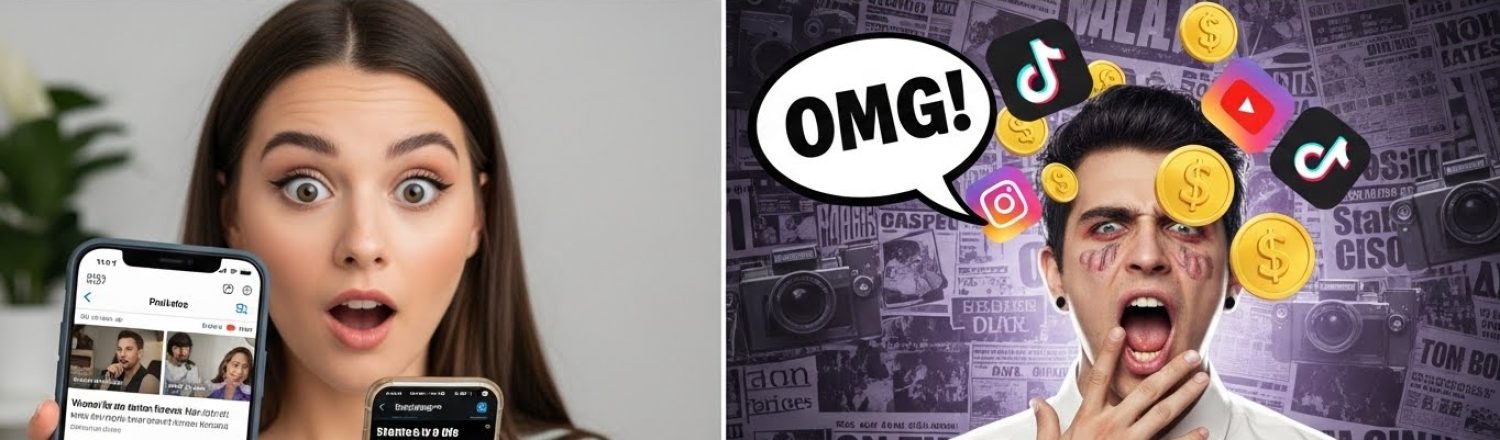
Brazil’s creator economy has expanded rapidly as brands shift budgets toward social-native campaigns and platforms optimize for watch time and engagement. Instagram, TikTok, and YouTube remain dominant, but newer short-form formats and live-streams reward rapid visuals, bold transformations, and shareable moments. In this ecosystem, creators chase growth through attention-grabbing content, often balancing authenticity with performance metrics. The consequence is a feedback loop: dramatic, high-visibility posts attract sponsorships and product lines, while routine, low-risk content yields slower revenue, prompting some to escalate risk in pursuit of virality. Audiences, especially younger viewers, increasingly expect a constant stream of fresh, transformative content, which can normalize risk-taking as a brand of entertainment. For researchers and practitioners, the pattern suggests causal links between monetization incentives, algorithmic amplification, and the normalization of elective procedures or risky health-related stunts as credible career steps within the Brazilian Influencers Brazil space.
Brand partnerships historically rewarded visibly aspirational narratives. When a creator documents a cosmetic change or a makeover, the post can perform exceptionally well—driving engagement, comments, and shareability. This dynamic not only influences the creator’s own content choices but also sets industry benchmarks for what counts as “success.” The challenge for marketers is balancing risk with reward: a sponsorship anchored to a dramatic transformation may yield short-term returns but can threaten long-term trust if the content is misaligned with audience safety or medical accuracy. Platform algorithms magnify these signals, increasing the velocity at which content spreads and the speed with which reputational costs accrue.
Health, Safety, and Disclosure
International reporting has highlighted cases where influencers underwent cosmetic procedures that carried medical risk, followed by rapid online narratives that shaped public perception. While the specifics of individual incidents remain contested, the broader takeaway is clear: cosmetic-health content intersects with consumer safety, medical ethics, and platform responsibility. In Brazil, this nexus is complicated by varied access to credible medical information, disparities in health literacy, and uneven enforcement of disclosures. Creators may lack access to professional oversight or robust post-procedure guidance, and audiences may struggle to distinguish entertainment from medical advice. The result is a fragile trust equilibrium: audiences crave authentic, transparent storytelling, while misaligned claims or sensationalized outcomes can erode confidence across the entire creator ecosystem. For brands, alignment with responsible health communication is not merely a compliance issue but a reputational investment.
Disclosures matter. When content touches health, safety, or medical outcomes, clear disclaimers, verifiable information about procedures, and evidence of professional oversight help separate entertainment from guidance. Platforms are increasingly attentive to health-related content, yet enforcement varies by region and format. As creators scale their operations, integrating medical literacy and ethical review into production workflows can help reduce risk while preserving the creativity that fuels the Brazilian Influencers Brazil market.
Regulation, Platforms, and Revenue
Brazil’s policy landscape around influencer marketing is evolving, with platforms rolling out paid-promotions and safety guidelines, and regulators contemplating stronger transparency norms. The imperative for clearer disclosures—such as sponsorship labeling, audience age considerations, and disclaimers around health claims—has gained momentum as the creator economy becomes a mainstream advertising channel. For brands, this translates into formal due diligence: evaluating a creator’s safety practices, verifying claims, and aligning campaigns with long-term brand values rather than one-off, attention-grabbing stunts. Creators, meanwhile, must diversify revenue streams beyond risky, high-visibility content to build resilience against sudden shifts in platform policies or audience sentiment. Regulators could accelerate the process by providing practical guidelines for medical-content disclosures, sponsorship disclosures, and consumer-protection messaging tailored to Brazil’s digital landscape.
Platform governance also matters. Policies that penalize deceptive claims, require transparent sponsorship disclosures, and promote safer content can mitigate harm and preserve trust. But enforcement must be consistent across languages and regions to avoid regulatory arbitrage. In this context, Brazil’s creator economy would benefit from partnerships among platforms, brands, and health professionals to develop standardized, regionally appropriate safety and disclosure norms. Such alignment could reduce the reputational risk borne by the entire ecosystem when a single controversial campaign goes viral, illustrating why governance is as important as growth in the long run.
Actionable Takeaways
- For creators: prioritize health literacy, obtain professional oversight for health-related content, and clearly disclose when content reflects opinion rather than medical advice.
- For brands and advertisers: perform due diligence on potential health claims, require verifiable disclosures, and diversify partnerships to avoid overreliance on high-risk content formats.
- For platforms: strengthen enforcement of health-content and sponsorship policies, promote creator education on risk mitigation, and support transparent labeling of promotional content.
- For regulators: establish clear guidelines for sponsorship disclosures, age-appropriate content, and safe-communication standards around cosmetic procedures that reflect Brazil’s digital landscape.
- For audiences: cultivate critical media literacy, follow verified creators, and seek multiple information sources when health-related claims appear in influencer content.
Source Context
Selected reporting on this topic from major outlets helps frame the conversation around audience safety, platform governance, and industry responsibility. See the following sources for additional context: