Updated: March 16, 2026
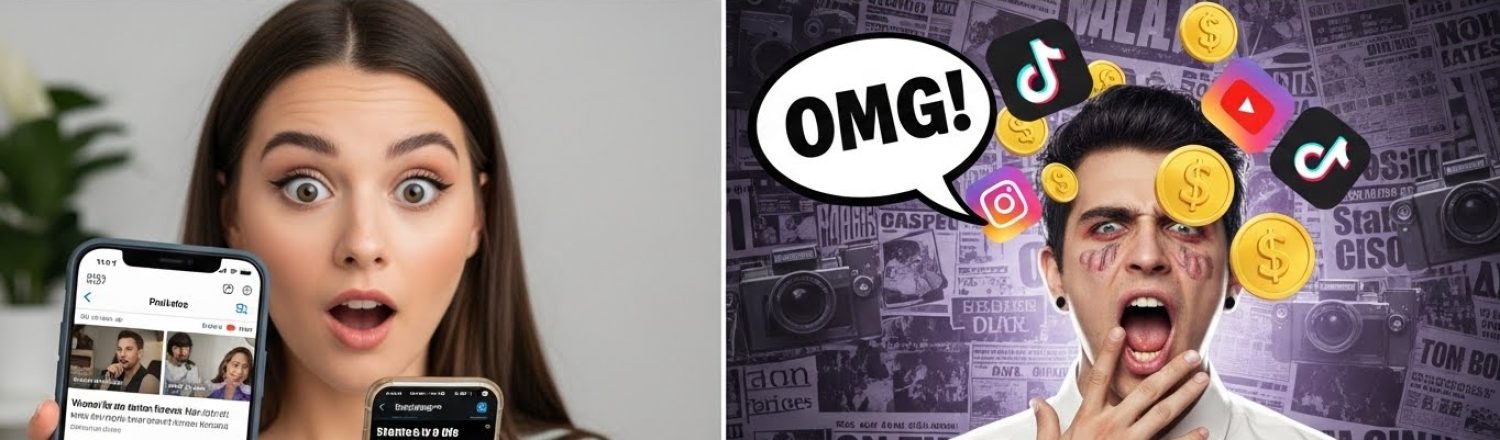
The term “brazilian Influencers Brazil” has shifted from a marketing buzzword to a social study of risk, aspiration, and platform capitalism. In Brazil, creators with large followings are not only entertainers but merchants, advocates, and, sometimes, risk vectors. Recent high-profile stories about cosmetic procedures pursued for social media attention have sharpened questions about safety, ethics, and the responsibilities that accompany influence. This analysis examines how these events shape the incentives, narrative strategies, and guardrails within the Brazilian influencer ecosystem, and what they portend for audiences who use platforms as both entertainment and information sources. The phrase brazilian Influencers Brazil is not just about numbers; it captures a culture of aspirational content, sponsored challenges, and increasingly visible concerns about medical tourism, debt, and the emotional cost of online permanence.
Context: Cosmetic trends, fame, and the audience gaze
Cosmetic-enhancement narratives have become a recurring thread in Brazilian influencer feeds, turning clinics into content studios and procedures into episodic performances. For many creators, a post-auction of likes or a before-and-after reel can convert attention into partnerships, product lines, and even touring opportunities. But this ecosystem also amplifies assumed norms: beauty is a transaction, and risk is often concealed behind gloss and post-production polish. Audiences—especially younger followers—consume these stories as both inspiration and instruction, which elevates questions about the accuracy of promises around safety, outcomes, and recovery timelines. These dynamics are not isolated to a single city or platform; they reflect a broader Brazilian culture where aesthetics, entrepreneurship, and online fame intersect in high-stakes ways.
Media coverage of incidents related to cosmetic procedures has intensified scrutiny of how risk is framed in content. When a creator shares a recovery update or a dramatic transformation, the accompanying narrative frequently blends aspirational messaging with selective disclosure. The result is a complex information environment in which viewers may infer certainty from uncertainty and mistune personal experience as universal guidance. Experts argue that the audience’s appetite for dramatic cosmetic-change stories should not trump the need for clear medical disclaimers, independent advice, and transparent sponsorship disclosures.
Economic incentives and platform dynamics
Influencers operate at the intersection of content, commerce, and community. In Brazil, revenue streams—brand partnerships, affiliate promotions, and sponsored appearances—often rely on high-engagement, sensational narratives. Cosmetic-trend content can generate rapid virality, attracting sponsorships from clinics, product lines, and beauty-services platforms. This creates a feedback loop: the more dramatic the before-and-after, the greater the potential for monetization. Yet platforms’ algorithmic incentives tend to reward content that sustains longer watch times and repeated interactions, which can incentivize creators to serialize riskier narratives or to overemphasize transformation milestones. As a result, the distinction between informative content and promotional messaging can blur, placing audiences at the center of a marketplace where truthfulness and transparency are crucial to long-term trust.
Platform policy and enforcement also shape these dynamics. Where clear disclosures exist, brands gain confidence to partner with creators who adhere to ethical guidelines. When disclosures are vague or absent, partnerships may appear legitimate while masking covert sponsorships. Brazil’s marketplace asks for more explicit standards around medical-advice claims, disclaimers about personal medical experiences, and the delineation between personal storytelling and professional guidance. In practice, the most sustainable models combine transparent sponsorships with independent medical input, patient rights considerations, and content that educates viewers about risks rather than glamorizing outcomes alone.
Ethics, safety, and accountability
Ethical considerations in influencer culture extend beyond compliance into the realm of patient safety and community responsibility. When a creator discusses elective procedures, audiences may interpret the experience as representative, even when medical contexts vary widely. This raises questions about consent, post-procedure care, and the potential for misinformation to influence vulnerable viewers. Brazilian regulators and professional associations have signaled a push toward greater accountability in sponsored medical content, including clearer labeling of endorsements and more careful presentation of outcomes. For audiences, the takeaway is clear: treat medical narratives from social media as one data point among many, and seek independent advice rather than relying solely on online testimonials.
There is also a mental-health dimension. The pursuit of aesthetics for online validation can impose emotional costs on creators and followers alike. Creators who publicly document painful recoveries may help destigmatize risk, but they also bear the burden of ongoing vulnerability in a public space. Viewers must balance admiration with skepticism, recognizing that transformation stories are often curated for engagement, not clinical certainty.
Policy signals and industry response
Industry stakeholders are signaling a shift toward more responsible storytelling in cosmetic overhauls. Influencers who cultivate long-term trust emphasize consent-driven content, accessible medical information, and crisis-management planning for uploads that involve sensitive topics. Clinics and brands are increasingly urged to adopt formal disclosure practices, verify credentials, and participate in ethical marketing coalitions that prioritize patient welfare over hype. Regulators and consumer advocates are pushing for greater transparency around sponsorships and medical-advice claims, aiming to reduce misinterpretation and protect audiences from exploitative messaging.
For platforms, the challenge is to calibrate moderation without stifling authentic storytelling. A practical path forward involves standardized templates for disclosures, editable content warnings for eye-catching transformations, and partnerships with credible medical voices to offer balanced perspectives within influencer ecosystems.
Actionable Takeaways
- Creators: Prioritize safety-first content, include medical disclaimers, and seek independent medical input for claims about procedures or outcomes.
- Brands and clinics: Implement transparent sponsorship disclosures, verify professional credentials, and avoid campaigns that promise guaranteed results or expedite risky procedures.
- Platforms: Strengthen medical-content guidelines, mandate clear disclosures, and promote access to reputable medical information within influencer hubs.
- Audience: Practice critical consumption, verify medical claims with trusted sources, and be cautious about minors attempting procedures based on online narratives.
- Regulators and industry groups: Encourage standardized disclosure practices, publish safety guidelines for cosmetic content, and foster collaboration between creators, clinicians, and consumer advocates.