
Updated: March 16, 2026
The current landscape of brazilian Influencers Brazil has become a focal point for brands, policymakers, and researchers who study how digital culture translates into real-world influence. What began as a handful of content creators operating in niche circles has evolved into a sophisticated ecosystem where sponsorships, product drops, and cross-border collaborations drive a multi-billion reais economy. This analysis situates that growth in a broader context: the incentives that push performers to monetize audiences quickly, the safeguards that lag behind, and the long-term consequences for trust between creators and followers across Brazil.
Market dynamics shaping brazilian Influencers Brazil
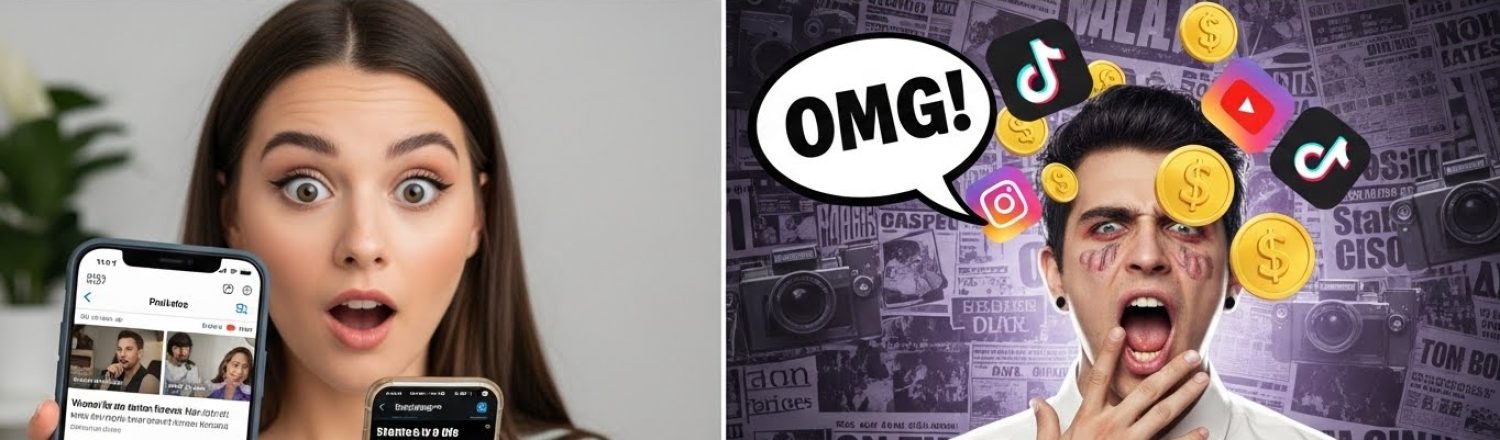
Brazil’s influencer scene has scaled with a mix of hyperlocal familiarity and global reach. Creators leverage regional language, cultural references, and platform-native formats to cultivate highly engaged communities. The shift from single-platform focus to multi‑platform presence is not merely a distribution tactic; it is a risk-management strategy. Cross-posting on YouTube, Instagram, TikTok, and emerging regional apps allows influencers to diversify income streams—from brand sponsorships to affiliate marketing and creator-driven products—while buffering against any one platform’s algorithmic volatility.
Within this economy, audiences in Brazil show distinct preferences: a preference for authenticity, frequent live interactions, and a demand for transparent disclosures around sponsorships. Brands view Brazilian creators as powerful conduits for market access, especially in sectors like beauty, fashion, fitness, and lifestyle. Yet the same dynamics that enable rapid scale—algorithmic amplification, trending formats, and the allure of a ‘dream’ lifestyle—can also magnify risks when content is produced with insufficient safeguards or clarity about commercial intent.
Another critical dynamic is regulation and consumer protection. In a market where claims about health, beauty, or wellness intersect with consumer rights, there is heightened scrutiny of what constitutes fair advertising and safe practices. The result is a nascent but growing emphasis on accountability: clear sponsorship disclosures, more robust health-and-safety communications, and better accountability for the upstream decisions made by agencies, clinics, and the creators themselves.
Health, fame, and the ethics of cosmetic procedures
Stories about cosmetic procedures linked to online fame have sparked urgent conversations in Brazil about the pressures that accompany rapid visibility. Reports from international outlets highlighted cases where young influencers pursued surgeries perceived as a shortcut to audience growth or brand desirability. When a follower base expects an ever-edgier aesthetic, the line between aspiration and medical risk can become blurred. Health professionals caution that cosmetic procedures carry inherent risks, and that the decision to pursue such interventions should be guided by medical advice, personal health considerations, and long-term well-being—not by a single post, a trend, or a sponsored campaign.
In this context, influencers’ responsibility extends beyond legal compliance or platform rules. It involves thoughtful risk communication: presenting clear information about procedures, recovery timelines, and potential complications; avoiding sensational visuals; and ensuring that medical decisions are made with informed consent and independent guidance. For audiences, critical media literacy matters—recognizing sponsored content, asking for evidence about safety, and understanding that a viewer’s ideal of beauty does not justify unsafe practices. When incidents are reported, the public conversation should focus on prevention, education, and systemic safeguards rather than punitive responses alone.
Audience expectations and platform accountability
Followers increasingly demand transparency, authenticity, and evidence-backed claims. For Brazilian creators, this translates into a nuanced balance: maintaining personal voice and storytelling while clearly signaling when content is sponsored or promotional. Platform policies on disclosures have evolved, but enforcement remains uneven, which can undermine trust when audiences encounter undisclosed promotions or exaggerated claims about product efficacy. The onus also falls on brands to partner with creators who demonstrate responsible communication and to invest in due diligence—fact-checking health claims, vetting sponsorships, and ensuring that campaigns do not incentivize unsafe behavior.
Beyond individual conduct, platform-level dynamics influence the landscape. Algorithmic prioritization rewards engagement, sometimes at the expense of accuracy or safety. As a result, there is a growing push for mechanisms that promote responsible amplification—reducing the spread of potentially harmful misinformation, flagging health-related content with credible sources, and offering creators clearer guidance on permissible health and wellness messaging. For regulators, Brazil’s evolving digital economy presents an opportunity to codify guidelines that protect consumers while preserving creative freedom. The challenge is to craft policies that are enforceable, technology-agnostic, and adaptable to rapid changes in how audiences consume content.
Actionable Takeaways
- Creators: prioritize transparent disclosures, seek medical or professional guidance for health-related content, and build recovery- and risk-communication into your narratives to protect audience trust.
- Brands and agencies: conduct due diligence on partner creators, align campaigns with ethical standards, and require clear, verifiable disclosures and safety information in all promotions.
- Platforms: strengthen enforcement of sponsorship disclosures, promote credible health information, and support creators with resources on safety, ethics, and audience literacy.
- Regulators and policymakers: develop clear, enforceable guidelines for influencer marketing, health claims, and digital advertising, while preserving creative expression and market innovation.
- Audience and researchers: cultivate media literacy, critically assess health and wellness claims, and document real-world outcomes to inform policy and industry practices.