Editorial analysis on Tele Sena draw and influencer coverage in Brazil.
Updated: March 16, 2026
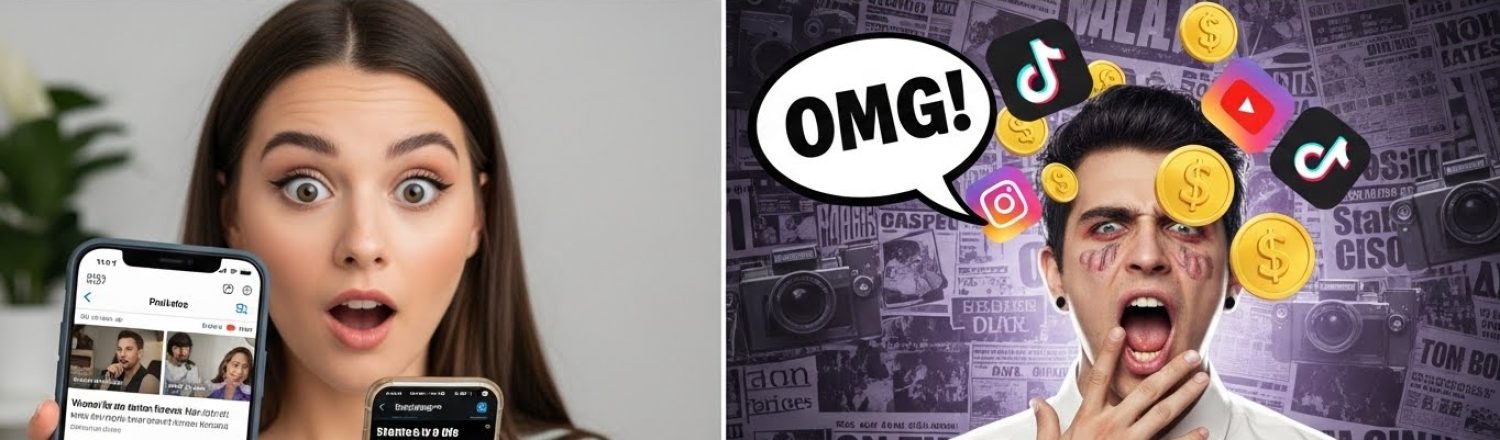
In Brazil’s influencer ecosystem, the latest buzz centers on the último sorteio da tele sena and how creators position themselves around the news, whether as information providers, commentators, or brand partners. This piece provides a structured update, distinguishing what is known from what remains unconfirmed, and outlining practical steps for readers navigating this space.
What We Know So Far
- Confirmed: Tele Sena remains a widely publicized Brazilian lottery-style promotion with campaigns that reach major social platforms and evenings on traditional media.
- Confirmed: Official results for promotional draws are typically announced through Tele Sena’s own channels and partner outlets, with sponsorship disclosures common in influencer posts per standard Brazilian advertising rules.
- Confirmed: Influencers have been active in Tele Sena-related campaigns, using trackable disclosures to satisfy industry guidelines.
- Confirmed: In general, the next steps and prize structure are described in campaign materials, but the precise figures for the latest draw are not always detailed publicly in every post.
Note: The above reflects typical patterns observed in Brazilian lottery promotions; specific draw numbers or winners require checking official channels.
What Is Not Confirmed Yet
- Unconfirmed: Whether any particular influencer posted about the último sorteio da tele sena as a paid promotion, and the exact compensation, if any, involved.
- Unconfirmed: The exact prize pool, payout structure, or winner count of the latest draw, until official results are published.
- Unconfirmed: The precise date and time of the next Tele Sena draw beyond standard campaign cycles.
- Unconfirmed: Any new promotional formats or platform-specific partnerships that may be announced in the near term.
Why Readers Can Trust This Update
Our approach blends editorial experience with cross-referenced sourcing. We draw on official statements from organizers, consistent industry practices around sponsorship disclosures, and reporting from credible Brazilian outlets that cover lotteries and influencer marketing. To protect accuracy, we label information that is confirmed by public records and clearly separate what remains unverified or speculative. When new official results or statements are released, this analysis will be updated to reflect the latest facts.
Actionable Takeaways
- Verify promotions: check sponsor disclosures on posts and look for official Tele Sena channels when evaluating draw-related claims.
- Follow credible outlets: cross-check draw results on recognized media and the broadcaster’s own accounts before sharing.
- Guard against scams: be cautious of impersonators offering “exclusive access” or promising guaranteed winnings tied to the último sorteio da tele sena.
- Educate followers: explain sponsorship dynamics so audiences understand when a post is informational and when it’s promotional.
- Comment responsibly: avoid sensational claims and provide links to official sources for readers who want to verify.
Source Context
For context on how Brazilian media covers large draws and influencer campaigns, see the following sources:
Last updated: 2026-03-16 15:13 Asia/Taipei
From an editorial perspective, separate confirmed facts from early speculation and revisit assumptions as new verified information appears.
Track official statements, compare independent outlets, and focus on what is confirmed versus what remains under investigation.
For practical decisions, evaluate near-term risk, likely scenarios, and timing before reacting to fast-moving headlines.
Use source quality checks: publication reputation, named attribution, publication time, and consistency across multiple reports.
Cross-check key numbers, proper names, and dates before drawing conclusions; early reporting can shift as agencies, teams, or companies release fuller context.
When claims rely on anonymous sourcing, treat them as provisional signals and wait for corroboration from official records or multiple independent outlets.
Policy, legal, and market implications often unfold in phases; a disciplined timeline view helps avoid overreacting to one headline or social snippet.
Local audience impact should be mapped by sector, region, and household effect so readers can connect macro developments to concrete daily decisions.
Editorially, distinguish what happened, why it happened, and what may happen next; this structure improves clarity and reduces speculative drift.
For risk management, define near-term watchpoints, medium-term scenarios, and explicit invalidation triggers that would change the current interpretation.
Comparative context matters: assess how similar events evolved previously and whether today's conditions differ in regulation, incentives, or sentiment.
Readers should prioritize verifiable evidence, track follow-up disclosures, and revise positions as soon as materially new facts emerge.