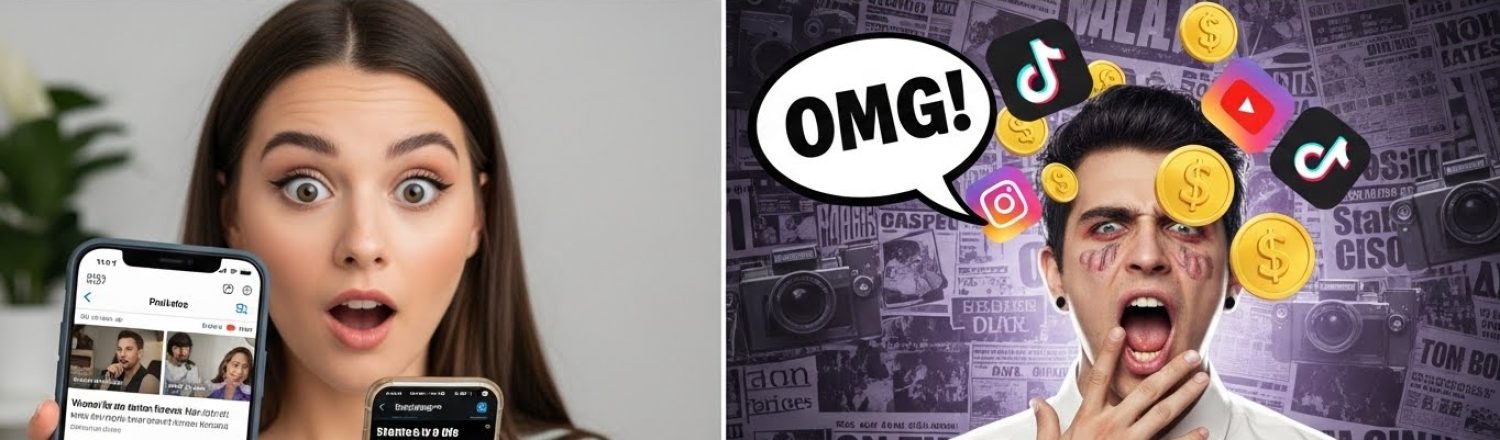

The Impact of Internet Celebrities on Brand Marketing Strategies
In today’s digital age, the rise of internet celebrities has significantly transformed the landscape of brand marketing. As traditional advertising methods become less effective, brands are increasingly turning to these influential figures to reach their target audiences. Internet celebrities, also known as influencers, have amassed large followings across various social media platforms, making them powerful allies for brands seeking to enhance their visibility and credibility. This article explores the profound impact of internet celebrities on brand marketing strategies, highlighting how they shape consumer behavior and drive brand success.
The Rise of Internet Celebrities
Internet celebrities have become a ubiquitous presence in the digital world. From YouTube vloggers to Instagram models, these individuals have leveraged their online presence to build personal brands that resonate with millions. This rise can be attributed to the democratization of content creation, where anyone with a smartphone and an internet connection can potentially become a celebrity. Platforms like YouTube, Instagram, and TikTok have provided fertile ground for these personalities to thrive. Influencer marketing has become a critical component of modern brand strategies, with businesses recognizing the unique value these celebrities offer.
Influencer Credibility and Trust

One of the key reasons internet celebrities are so effective in brand marketing is their ability to establish trust and credibility with their audiences. Unlike traditional celebrities, who may feel distant and unapproachable, internet celebrities often cultivate a sense of intimacy with their followers. They share personal stories, engage directly with fans, and offer a glimpse into their daily lives. This authenticity fosters a strong bond between the influencer and their audience, making endorsements feel more genuine and trustworthy. Consumers are more likely to trust recommendations from someone they perceive as relatable and honest, which can significantly impact their purchasing decisions.
Targeted Marketing and Audience Reach
Internet celebrities possess the ability to reach highly specific audiences, which is invaluable for brands looking to target niche markets. By collaborating with influencers whose followers align with their target demographics, brands can ensure their messaging reaches the right people. This targeted approach not only maximizes the effectiveness of marketing campaigns but also enhances the return on investment. For instance, a beauty brand might partner with a beauty vlogger whose content focuses on makeup tutorials and product reviews. This strategic alignment allows the brand to tap into a pre-existing audience interested in beauty products, increasing the likelihood of successful conversions.
Content Creation and Engagement
Internet celebrities are often skilled content creators, producing high-quality and engaging material that captivates their audiences. By collaborating with these influencers, brands can leverage their creative expertise to craft compelling marketing campaigns. From sponsored posts to product placements, influencers have a keen understanding of what resonates with their followers. This collaborative content not only showcases the brand’s products or services in an authentic manner but also encourages audience interaction and engagement. Engagement is a crucial metric in evaluating the success of influencer marketing, as it reflects the level of interest and involvement from the audience.
Case Studies and Success Stories

Numerous brands have experienced remarkable success through partnerships with internet celebrities. A notable example is the collaboration between Morphe Cosmetics and beauty influencer James Charles. By launching a co-branded eyeshadow palette, Morphe tapped into Charles’ massive following, resulting in the product selling out within hours of its release. Similarly, fashion brand Fashion Nova has become synonymous with influencer marketing, enlisting celebrities like Cardi B and Kylie Jenner to promote their clothing lines. These partnerships have propelled Fashion Nova to the forefront of the fast fashion industry, with the brand’s popularity soaring on social media.
Challenges and Considerations
While the impact of internet celebrities on brand marketing is undeniably significant, there are challenges and considerations that brands must navigate. One potential pitfall is selecting the wrong influencer, whose values or audience may not align with the brand’s image. This mismatch can lead to negative perceptions and damage the brand’s reputation. Additionally, the ever-changing algorithms of social media platforms can affect the visibility of influencer content, making it important for brands to continuously adapt their strategies. Transparency is also a crucial consideration, as regulations require influencers to disclose paid partnerships to maintain trust with their audiences.
The Future of Influencer Marketing
As the digital landscape continues to evolve, so too will the role of internet celebrities in brand marketing. The future holds exciting possibilities, with innovations such as virtual influencers and augmented reality experiences on the horizon. Brands will need to stay attuned to these trends to remain competitive and effectively engage with their audiences. Furthermore, as consumers become more discerning, authenticity will remain a critical factor in influencer marketing success. Brands that prioritize genuine connections and meaningful collaborations with internet celebrities will be better positioned to thrive in this dynamic environment.
Takeaways

The impact of internet celebrities on brand marketing strategies is profound, offering brands a powerful means to connect with their target audiences. Through credibility, targeted marketing, and engaging content, influencers have reshaped the way brands communicate and build relationships with consumers. As the influencer marketing industry continues to grow, brands must carefully consider their partnerships and remain adaptable to changing trends. By harnessing the influence of internet celebrities, brands can enhance their visibility, drive sales, and ultimately achieve long-term success in the digital marketplace.
To further capitalize on the advantages of influencer marketing, brands should consider implementing a comprehensive strategy that incorporates multiple types of influencers. This includes mega-influencers with millions of followers, macro-influencers with a substantial but slightly smaller reach, and micro-influencers who may have fewer followers but boast high engagement rates. Each type of influencer offers unique benefits, and a well-rounded strategy can amplify a brand’s reach and impact.
Mega-Influencers and Their Broad Reach
Mega-influencers, often celebrities in their own right, have the ability to reach vast audiences. Their endorsements can instantly boost brand awareness on a global scale. While partnering with mega-influencers can be costly, the potential return on investment is significant. Brands like Pepsi and Nike have successfully used mega-influencers to launch new products and campaigns, leveraging their massive follower base to create a buzz and drive consumer interest.
Macro-Influencers: Balancing Reach and Engagement

Macro-influencers, who typically have followers ranging from tens of thousands to a few million, offer a balance of reach and engagement. They maintain a personal connection with their audience while still having a wide enough reach to impact a brand’s visibility. These influencers often specialize in specific niches, making them ideal partners for brands targeting particular market segments. Their expertise and relatability can lend credibility to a brand’s message, as seen in partnerships between travel brands and popular travel bloggers.
The Power of Micro-Influencers
Micro-influencers, despite having smaller follower counts, are renowned for their high levels of engagement and influence within their communities. Their audiences tend to be highly targeted, and their recommendations often carry more weight due to their perceived authenticity. Collaborating with micro-influencers can be a cost-effective strategy for brands looking to build meaningful relationships with consumers. For example, local businesses and niche brands have seen success by partnering with micro-influencers who have a strong presence in their communities.
Measuring the Success of Influencer Campaigns
To maximize the effectiveness of influencer marketing, brands must establish clear metrics for success. Tracking engagement rates, reach, and conversions can provide valuable insights into a campaign’s performance. Social media analytics tools can help brands assess the impact of influencer partnerships and refine their strategies accordingly. Additionally, brands should consider qualitative measures, such as brand sentiment and audience feedback, to gauge the true impact of their influencer collaborations.
Ethics and Transparency in Influencer Marketing
As influencer marketing becomes more mainstream, ethical considerations are increasingly important. Brands and influencers must adhere to guidelines regarding transparency and disclosure of sponsored content. This ensures that audiences are aware of paid partnerships, preserving trust and authenticity. Failing to disclose such relationships can lead to legal repercussions and damage to both the influencer’s and the brand’s reputation. By prioritizing transparency, brands can foster genuine connections with consumers and uphold their integrity.

Integrating Influencer Marketing with Other Channels
To maximize the impact of influencer marketing, brands should integrate these efforts with their broader marketing initiatives. Combining influencer partnerships with other channels, such as email marketing, content marketing, and traditional advertising, can create a cohesive and comprehensive brand strategy. This multi-channel approach ensures consistent messaging across platforms and enhances the overall effectiveness of marketing campaigns. For instance, a brand might amplify an influencer’s sponsored content through email newsletters and social media ads, extending its reach and reinforcing its message.
Adapting to Changes in the Digital Landscape
The digital landscape is constantly evolving, and brands must remain agile to stay ahead. As new social media platforms emerge and consumer preferences shift, brands should continuously evaluate and adapt their influencer marketing strategies. Staying informed about industry trends and technological advancements can help brands identify new opportunities for collaboration and innovation. By remaining flexible and open to change, brands can maintain their competitive edge and continue to engage effectively with their target audiences.
Takeaways
The influence of internet celebrities on brand marketing strategies is undeniable, offering brands a powerful tool to engage with consumers in meaningful ways. By understanding the different types of influencers and their unique strengths, brands can tailor their approaches to maximize impact. As the industry continues to evolve, maintaining transparency, adapting to changes, and integrating influencer marketing with other channels will be critical to success. Brands that embrace these strategies will be well-positioned to thrive in the dynamic and ever-changing digital marketplace.
About the Author