
Battlefield 6: EA layoffs reshape Brazil’s influencer scene
Updated: March 16, 2026
The landscape of the brazilian Influencers Brazil phenomenon is not just about numbers or virality; it is a social mirror reflecting aspiration, risk, and the evolving relationship between creators and audiences across Brazil. In this context, the term brazilian Influencers Brazil functions as a lens to examine who wields cultural pressure, how sponsorships shape content, and where responsibility lies as the industry expands beyond urban megacities into regional communities.
The Landscape of Brazilian Influencers
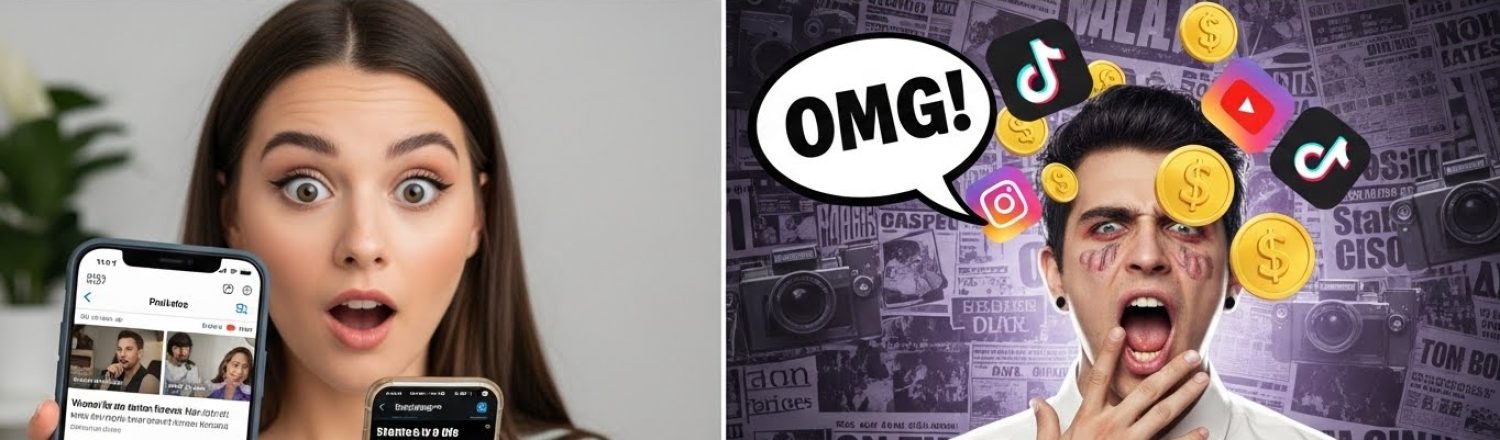
Brazil’s influencer ecosystem has grown from niche hobby to a mainstream career track, with platforms like Instagram, YouTube, and TikTok enabling creators to monetize audiences through brand deals, product lines, and affiliate links. This expansion has democratized fame in many eyes but also magnified the inequalities that exist in access, infrastructure, and safety nets. While the potential earnings can be transformative for some, many creators in smaller markets still wrestle with inconsistent income, platform changes, and the volatility of trend cycles. In some high-visibility stories, young figures gain rapid popularity only to confront the realities of branding, medical claims, and audience expectations in tandem with personal health pressures. Media coverage in recent years has highlighted cases where personal decisions—such as cosmetic procedures—become central to public narratives, prompting scrutiny over medical oversight, marketing claims, and the emotional toll on audiences who follow these journeys. For instance, reports about the tragic death of a young influencer after a cosmetic procedure have sparked discussions about the pressures of online success and the responsibilities of influencers, agencies, and platforms, even as authorities and industry groups weigh how to improve safety and transparency. These episodes remind readers that the public-facing persona is tethered to real-world risk, and that the Brazilian market must balance growth with accountability, especially as audiences in smaller cities increasingly consume influencer content and engage with sponsored messages.
Safety, Ethics, and Public Perception
Ethical questions about sponsorship disclosure, medical claims, and the aspirational lifestyle narrative are no longer confined to glossy feeds. Audiences—particularly younger viewers—expect clarity about who pays for what and what procedures are being promoted or celebrated. The debate has intensified around cosmetic procedures promoted by influencers: how outcomes are framed, what risks are disclosed, and whether medical endorsements are subjected to appropriate professional oversight. In Brazil, these questions intersect with broader concerns about how creators present health-related content, how audiences interpret sponsored claims, and how regulators and platforms enforce truthful communication. The public conversation has also been shaped by high-profile cases involving young influencers and cosmetic interventions, which have raised questions about the role of agencies, clinics, and doctors in supporting or complicitly enabling risky choices. Beyond the sensational headlines, researchers and industry observers emphasize the need for responsible storytelling, stronger disclaimers, and clearer boundaries between content and commerce, so that audiences can distinguish inspiration from instruction and advertising from genuine information. This climate pushes creators to invest in risk assessment, consult with professionals when discussing health-related topics, and adopt crisis communication plans that protect both their audiences and their own livelihoods when content turns controversial or unsafe.
Platform Policy, Monetization, and Regulation
Platform ecosystems are the primary channels through which brazilian Influencers Brazil build reach and monetize influence. Instagram, YouTube, and TikTok each have evolving policies on advertising cosmetics, health claims, and branded content disclosures. Creators must navigate a complex matrix of sponsored content rules, age-appropriate guidance, and regional privacy expectations while also contending with fluctuating algorithm dynamics that affect visibility and earnings. In Brazil, data protection and consumer rights norms—such as the General Data Protection Law (LGPD)—shape how creators collect audience data, tailor messages, and report performance metrics to sponsors. Advertisers increasingly demand transparent disclosures about paid partnerships, and many agencies urge creators to document collaborations clearly in captions, videos, and disclosures that are easy for audiences to understand. For regulators, the challenge is balancing innovation with safety: ensuring that promotional content does not mislead, that medical or cosmetic claims are not overstated, and that creators maintain protective practices when offering specialized advice. As the creator economy matures, platforms, brands, and policy-makers are more frequently coordinating on best practices, albeit with regional variations and ongoing debate about enforcement, verification, and the consequences for smaller creators who rely on a steady stream of brand partnerships to sustain their channels. The result is a more credible but also more complex landscape in which transparency, accountability, and verifiable claims matter as much as charisma and creativity.
Actionable Takeaways
- Prioritize transparency: clearly label sponsored content and medical or beauty claims to help audiences distinguish between promotion and advice.
- Vet partnerships: conduct due diligence on brands, clinics, and products promoted, and avoid endorsements of procedures with uncertain outcomes or inadequate medical oversight.
- Invest in risk management: develop a crisis communication plan, seek professional medical or legal counsel when discussing health topics, and have exit strategies for sponsorships that turn problematic.
- Diversify revenue streams: combine brand deals with own product lines, creator-led courses, or paid subscriptions to reduce dependence on a single income source.
- Educate audiences: provide balanced context around beauty standards, surgical risks, and realistic expectations to build longer-term trust and brand credibility.