Brazilian Influencers Brazil: Risk, Rules, and Revenue
Updated: March 16, 2026
The brazilian Influencers Brazil ecosystem stands at a critical juncture, where breakout reach is counterbalanced by new risks, tighter platform rules, and rising scrutiny from brands and regulators. As the market matures, creators and managers confront questions about safety, authenticity, and profitability in equal measure.
Macro Forces Shaping the Brazilian Influencer Scene
Brazil’s digital population has surged in the last decade, turning social media into a primary channel for entertainment, commerce, and discourse. With mobile-first access, creators can amass millions of followers while operating with limited institutional support. This growth, however, has not been matched by commensurate safeguards. Reports about influencers undergoing cosmetic procedures marketed as life-changing experiences—and, in some cases, tragic outcomes—underscore a consumer-centered risk the industry often understates in public marketing materials.
Beyond health risks, the influencer economy relies on trust signals that can shift rapidly as audience preferences change, advertisers demand clearer disclosures, and platforms recalibrate how creators monetize. In Brazil, the confluence of an energetic creator culture and evolving regulatory conversations creates a trial ground for scaling without sacrificing safety or accountability.
Platform Dynamics and Safety Disclosures
Platforms are tightening guidelines around health claims, medical procedures, and sponsored content. Warning labels, stricter age-related policies, and more rigorous approval processes for cosmetic promotions are increasingly common. For Brazilian creators, this translates into a more deliberate approach to content planning, with greater emphasis on disclosures and credible sourcing, especially when medical topics are discussed or showcased.
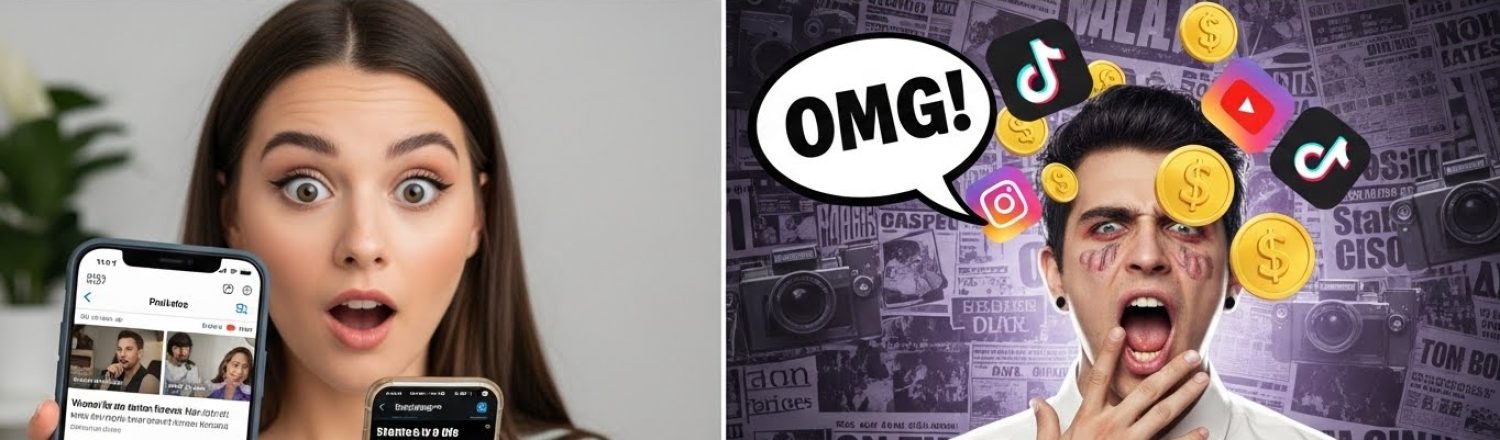
Agency and audience dynamics also matter. When a video or post goes viral due to sensational framing—such as a cosmetic procedure framed as a dream outcome—it often attracts brand partnerships that may not fully align with the underlying risk. The evolving policy environment makes it essential for creators to maintain transparent collaboration agreements and for brands to align with responsible messaging that does not encourage unsafe experimentation.
Monetization, Health, and Ethical Risks
The monetization logic of the Brazilian influencer market increasingly ties sponsorships and affiliate revenue to lifestyle aspiration. That pressure can incentivize promotion of services or products with uncertain health impacts or inadequate scientific backing. When stories circulate about influencers pursuing high-risk cosmetic procedures under the banner of self-improvement or empowerment, they spotlight a broader ethical dilemma: should audiences trust content that blurs the line between genuine personal narrative and commercial promotion?
For creators, the challenge is to separate brand goals from personal risk, while for brands and agencies, the challenge is to ensure campaigns do not normalize unsafe choices. Independent producers, medical experts, and platforms alike have a role in strengthening critical information cues—linking to credible sources, encouraging informed decision-making, and avoiding hype-driven narratives that exploit sensitive topics for engagement.
Audience Trust and Creator Accountability
Audiences reward authenticity and accountability. In Brazil, where followers often view creators as close peers, any perception of inauthentic sponsorship, misrepresented endorsements, or dodgy medical advice can erode trust quickly. The long-term health of the brazilian Influencers Brazil ecosystem depends on clear contracts, transparent reporting, and independent verification of claims about products or procedures featured in content. Creators who establish guardrails—consultations with experts, conservative promotional commitments, and visible disclaimers—are more likely to cultivate sustainable, durable relationships with brands and fans alike.
Media literacy among audiences also matters. Journalists, independent researchers, and platform moderators should scrutinize sensational narratives and demand substantiation for health-related claims. In this environment, responsible storytelling becomes a competitive asset, reducing backlash and increasing retention for creators who want to build resilient brands.
Policy, Regulation, and the Path Forward
Policy conversations in Brazil around influencer marketing involve advertising standards, influencer contracts, data privacy, and health communications. Regulators may seek to require explicit disclosures for medical endorsements and to mandate age-appropriate content labeling where relevant. For platforms, the balance is between enabling creative entrepreneurship and ensuring consumer protection, especially for impressionable audiences. The path forward is not to suppress expression, but to align incentives so that revenue generation does not come at the expense of safety, accuracy, or informed consent.
Actionable Takeaways
- For creators: implement medical-safety checks, consult credible experts, and include clear disclosures for health-related content.
- For brands: prioritize responsible partnerships, demand evidence-based messaging, and align campaigns with platform guidelines and local regulations.
- For platforms: standardize health-content policies, improve detection of misleading claims, and support creator education programs.
- For regulators and media: promote transparency in advertising disclosures and provide channels for independent fact-checking and corrective information.