
Updated: March 16, 2026
In Brazil, the rise of brazilian Influencers Brazil has reshaped how audiences consume culture and how brands invest in digital fame. The term now signals not just a demographic but a rising economic class of creators negotiating authenticity, reach, and revenue in a crowded online landscape. This piece traces how that dynamic is developing, what it means for creators and brands, and how policymakers and platforms might respond as the risk-and-reward calculus grows more complex.
The Brazilian Influencer Economy: Scale and Risk
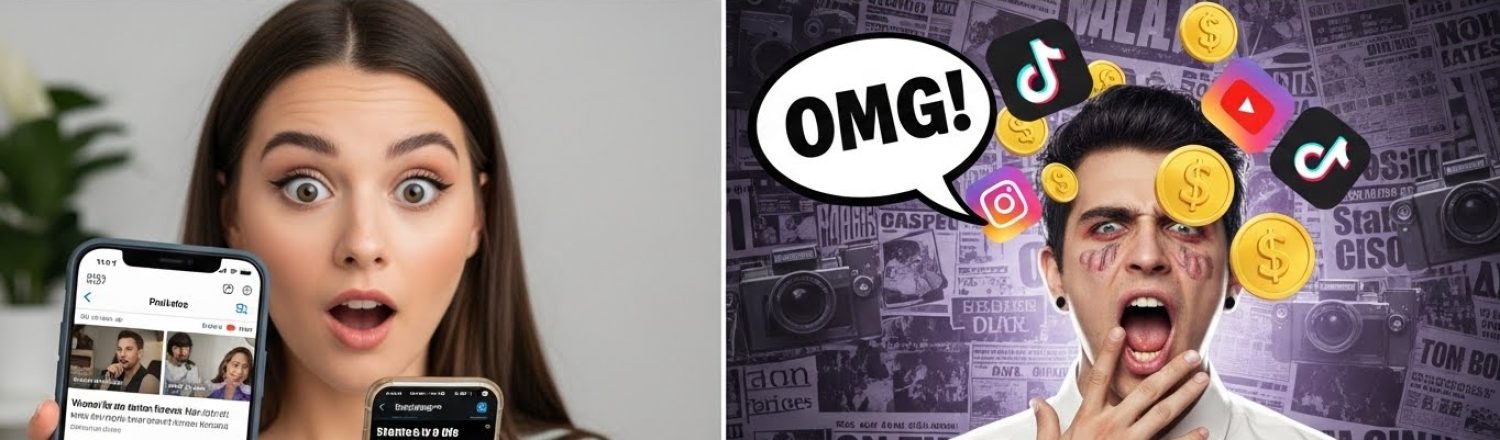
Brazilian social platforms have cultivated a creator ecosystem where a mix of mega-influencers, mid-tier talents, and micro-creators compete for attention across feeds, stories, live streams, and long-form video. The revenue model blends brand partnerships, affiliate links, merchandise, and fan-supported memberships. In such a system, the pressure to produce consistent, viral, or emotionally resonant content is immense, and so too is the volatility of income when algorithms shift or campaigns dry up. This environment rewards agility—creators who can diversify revenue streams, repackage content for new formats, and attract multi-brand collaborations—yet it also amplifies exposure to risk. A wave of high-profile headlines in recent years has underscored the dangers associated with cosmetic procedures marketed to aspiring creators, as well as the consequences of rapid lifestyle monetization without robust safety nets or long-term health planning. While these incidents are not unique to Brazil, they crystallize a broader concern: the influencer economy can incentivize accelerated risk-taking when fame and money appear within reach at a single click.
Beyond individual risk, the ecosystem raises questions about the sustainability of a model that relies heavily on ever-expanding audience reach. When growth is measured in followers and engagement rather than durable skills or institutional backing, creators may face a ceiling on earnings, press scrutiny, and reputational risk if a misstep occurs. Brands, too, juggle the desire for authentic storytelling with compliance demands and the reputational exposure that accompanies high-visibility campaigns. In this setting, the most resilient players are increasingly those who combine creative value with clear governance—transparent disclosures, diversified revenue, and collaborative networks that provide editorial and legal support rather than relying on fame alone.
Platform Dynamics and Audience Trust
Platform dynamics matter as much as talent. Algorithm changes, monetization policies, and content moderation decisions can dramatically shift a creator’s income overnight. In Brazil’s large digital market, creators learn to navigate multiple platforms—each with its own incentives, audience demographics, and measurement metrics. The smarter portfolios blend sponsored content with original, value-driven formats—educational series, behind-the-scenes storytelling, and community-focused live streams—to reduce revenue dependence on any single channel. This diversification helps stabilize earnings when algorithmic visibility dips or when platform-specific restrictions tighten. It also strengthens audience trust, as creators demonstrate consistency across formats and platforms, signaling reliability beyond a single viral moment.
However, platform shifts also concentrate power in the hands of a few large platforms that determine the terms of visibility and monetization. Creators must interpret evolving guidelines on advertising disclosures, age-appropriateness, health claims, and sponsored content obligations. For many, this means adopting formal brand-approval processes, maintaining documented disclosures, and building partnerships that align audience expectations with ethical marketing. The result could be a more intentional content economy in which creators and brands collaborate to tell longer, more transparent stories rather than chasing impulse-driven virality alone.
Health, Safety, and Ethical Considerations
Ethical concerns have moved to the forefront of discussions about brazilian Influencers Brazil. The pressure to maintain a flawless public persona can amplify body-image concerns among followers and set unrealistic standards for young viewers. At the same time, the line between authentic self-presentation and marketing-driven persona often blurs, raising questions about authenticity and accountability. Industry stakeholders—creators, managers, and brands—are increasingly asking for better education around health risks of cosmetic procedures and the importance of informed consent, particularly when promotions include medical or wellness claims. A mature market will support creators with resources for mental health, financial planning, and crisis communication, ensuring that rapid growth does not come at the cost of personal well-being or audience welfare.
Practical governance, such as clear disclosure practices and peer review of sponsored content, can enhance trust. Viewers who feel they’re receiving genuine, high-quality information are more likely to engage meaningfully, leading to longer-term loyalty and more sustainable revenue models. As the Brazilian market matures, expect a growing emphasis on responsible storytelling, transparent sponsorships, and community-first strategies that center long-term relationships with audiences rather than transient attention spikes.
Policy and Industry Adaptation
Regulatory and industry pilots are beginning to shape how influencers operate in Brazil and the broader Latin American region. Policymakers and consumer-protection groups are increasingly focused on advertising disclosures, data privacy, and the potential misrepresentation of health or lifestyle claims. For creators, this implies a shift toward compliance-first workflows: pre-approval checks for sponsored messages, plain-language disclosures, and responsible use of audience data to tailor content without overstepping privacy boundaries. Brands are responding by building multichannel frameworks that align with platform policies and consumer expectations, reducing the risk of reputational damage and campaign disruption. In parallel, creator networks and unions are exploring baseline best practices for ethics, safety, and financial planning, which could become de facto industry standards as the market grows more sophisticated.
Actionable Takeaways
- Creators: Diversify income streams beyond a single platform; invest in branding, education, and community-building to weather algorithm changes and sponsorship volatility.
- Brands: Prioritize transparent sponsorships, long-term collaborations, and safety briefings to protect reputation and maintain audience trust.
- Platforms: Maintain clear disclosure guidelines, experiment with creator support tools, and empower editorial collaboration to reduce misinformation and risky promotions.
- Policymakers: Encourage consumer protection and privacy standards that apply to digital creators, balancing innovation with public welfare and informed consent.
- Educators and industry groups: Offer training on health, financial literacy, and responsible storytelling to foster a healthier, more sustainable creator economy.
Source Context
For readers seeking background on the framing of these discussions, the following sources provide additional context and coverage on influencer culture, health and safety concerns, and industry dynamics: