
The Role Of Authenticity In Social Media Influence Building Trust With Your Online Audience
Updated: March 16, 2026
In Brazil, the rise of sports Influencers Brazil is not just a trend but a reshaping of how fans connect with athletes, teams, and brands online. As platforms lean into short-form video and live interaction, creators in this space are building hybrid careers that blend athletic storytelling, entrepreneurship, and audience engagement in ways that traditional sponsorship models struggle to replicate.
The Landscape Shifts Underfoot
Brazil’s sports influencer ecosystem has matured beyond novelty. While football remains the anchor, athletes across martial arts, volleyball, track and field, and even niche disciplines are monetizing earned trust with audiences that expect transparent, authentic content. Micro-influencers who fuse training tips with behind‑the‑scenes access to clubs and events are drawing highly engaged regional audiences, while larger names leverage stadium-scale reach for major partnerships. The result is a tiered ladder: fans follow both the household football stars and the local creator who shares recovery stories, training routines, or fan experiences in arenas and on street circuits. This multi-layered dynamic creates a resilient ecosystem in which value is not only measured by follower counts but by interaction quality and the ability to convert engagement into ticket sales, merchandise, or paid mentoring.
Monetization, Trust, and Brand Partnerships
Brands increasingly expect sustainable relationships with sports influencers who can demonstrate authentic alignment with product narratives. Sponsorships extend beyond logo placements in video intros; they include revenue-sharing codes, exclusive drops, and long-term ambassadorships. Yet Brazil’s creator economy also faces risk: content that feels contrived or overly scripted can erode trust, particularly among younger fans who follow creators for candid training tips and genuine fan experiences. To mitigate this, teams and agencies are pushing for clearer disclosures, stronger brand-safety criteria, and diversified revenue streams that include live events, fan memberships, and collaborative product lines. Within this environment, the most successful campaigns weave sport storytelling with social impact, reflecting an influencer’s authentic connection to the community.
Platform Dynamics and Audience Behaviour
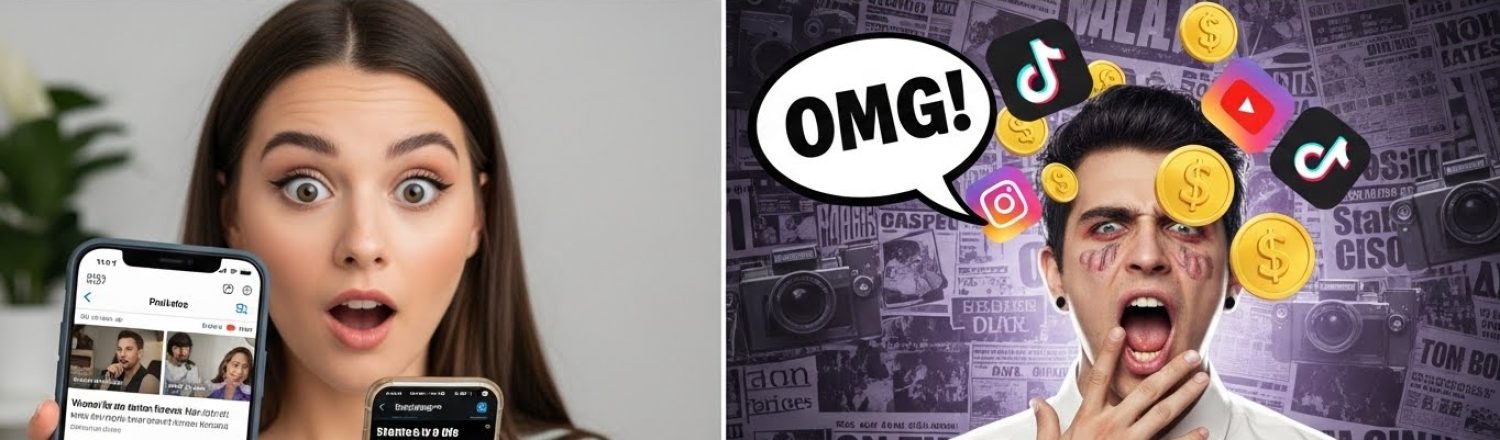
Brazil’s audiences distribute attention across Instagram, TikTok, YouTube, and rising regional platforms. Short-form videos drive reach, but long-form content—interviews, tactical breakdowns, and fitness primers—fosters deeper loyalty. Live streams for match watch parties, post‑training Q&As, or behind‑the‑scenes tours generate real-time engagement that advertisers value for immediacy and data richness. The country’s Portuguese-language ecosystem also creates cross-market opportunities with neighboring markets that share cultural touchpoints. The challenge for sports influencers Brazil is to adapt to platform algorithms that reward consistency and watch time while maintaining content that resonates across diverse regions—from urban cores to coastal communities—without eroding authenticity.
Actionable Takeaways
- Prioritize authentic storytelling that connects on a community level rather than chasing a glossy sponsorship narrative.
- Diversify revenue: combine sponsorships with memberships, exclusive drops, and live events to reduce dependence on a single income stream.
- Invest in governance: transparent disclosures, data privacy compliance, and clear brand safety protocols build trust with fans and partners.
- Measurable impact: pair follower growth with engagement quality and conversion metrics like ticket sales, merchandise, or digital experiences.
- Localize content: invest in content that speaks to different Brazilian regions and sports subcultures to widen reach and sponsorship appeal.
Source Context
The following articles offer external perspectives on influencer ecosystems and media narratives that inform this analysis of Brazil’s sports influencer scene.
From an editorial perspective, separate confirmed facts from early speculation and revisit assumptions as new verified information appears.
Track official statements, compare independent outlets, and focus on what is confirmed versus what remains under investigation.
For practical decisions, evaluate near-term risk, likely scenarios, and timing before reacting to fast-moving headlines.
Use source quality checks: publication reputation, named attribution, publication time, and consistency across multiple reports.
Cross-check key numbers, proper names, and dates before drawing conclusions; early reporting can shift as agencies, teams, or companies release fuller context.
When claims rely on anonymous sourcing, treat them as provisional signals and wait for corroboration from official records or multiple independent outlets.