
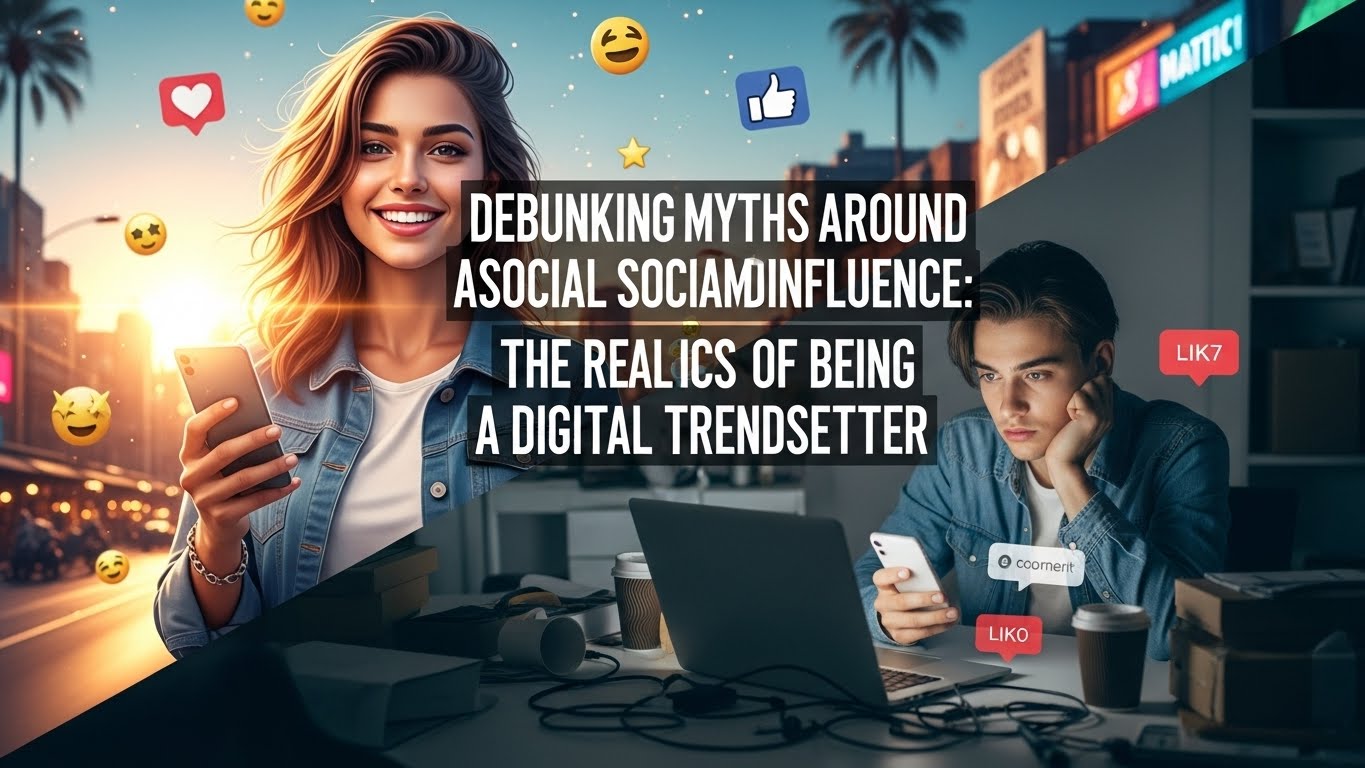
Debunking Myths Around Social Media Influence: The Realities of Being a Digital Trendsetter
In today’s digital age, being a social media influencer is often glamorized as a dream job filled with free products, fame, and effortless wealth. However, the reality of being a successful digital trendsetter is far more complex and nuanced than it appears on the surface. In this blog post, we aim to debunk some common myths surrounding social media influence and provide a clearer picture of what it truly takes to thrive in this rapidly evolving industry.
Myth 1: Being an Influencer Is Easy Money
One of the most pervasive myths is that influencers make easy money by simply posting photos or videos online. While top-tier influencers with millions of followers may command lucrative deals, the majority of influencers work tirelessly to earn their income. Becoming a successful influencer requires a strategic approach, time investment, and a deep understanding of marketing and branding.
Influencers often juggle multiple roles including content creator, editor, marketer, and negotiator. They need to consistently create engaging content, manage collaborations with brands, and interact with their audience to maintain and grow their following. According to Forbes, the costs of producing high-quality content can be significant, including expenses for equipment, software, and sometimes even travel.
Myth 2: Influencers Live a Glamorous Lifestyle
While influencers often present a curated view of their lives, complete with exotic trips and luxury products, this is not always a reflection of reality. The pressure to maintain a perfect image can be overwhelming and mentally taxing. Many influencers have spoken out about the mental health challenges associated with their roles, including anxiety and burnout.

Behind the scenes, influencers spend countless hours planning, shooting, and editing content. The glamorous photos are often the result of meticulous planning and sometimes even involve teams to ensure the final product meets both audience expectations and brand requirements. The lifestyle may appear effortless, but it demands dedication and hard work.
Myth 3: All Influencers Are Extroverts
There’s a common assumption that to succeed as an influencer, one must be naturally extroverted. However, many successful influencers identify as introverts. The key to success is not necessarily in being outgoing, but in being authentic and engaging with an audience that resonates with your voice. Introverted influencers may prefer storytelling through their content, allowing their creativity and passion to shine.
Social media platforms offer various ways for influencers to connect with their audience, whether through vibrant photographs on Instagram, informative videos on YouTube, or insightful articles on LinkedIn. According to Psychology Today, introverts can leverage their strengths in observation and empathy to build deep, meaningful connections with their audience.
Myth 4: Influencers Don’t Have Real Jobs
Another misconception is that being an influencer is not a “real” job. In reality, influencers play a crucial role in the digital marketing ecosystem. They bridge the gap between brands and consumers, offering authentic recommendations and insights that resonate with their followers. Influencers are essentially entrepreneurs, building their own personal brands and managing their careers independently.
The skills required to succeed as an influencer are diverse and multifaceted, including content creation, strategic planning, negotiation, and analytics. Influencers must also stay abreast of social media trends and algorithm changes to remain relevant. According to Business Insider, the industry demands constant adaptation and innovation, much like any other dynamic career path.

Myth 5: Influencers Have Unlimited Creative Freedom
Many assume that influencers have complete freedom over the content they create. While influencers do have creative control, brand partnerships often come with specific guidelines and expectations. Balancing brand requirements with personal style can be challenging, and successful influencers must navigate these collaborations skillfully to maintain authenticity.
Successful influencers understand the importance of aligning with brands that reflect their values and interests. This ensures that any sponsored content remains genuine and resonates with their audience. The ability to choose collaborations wisely is a key component of sustaining long-term success in the industry.
The Realities of Being a Digital Trendsetter
The journey to becoming a successful social media influencer is far from a straightforward path. It requires resilience, adaptability, and an entrepreneurial mindset. Influencers must be prepared to face criticism, adapt to ever-changing algorithms, and continuously innovate to keep their audience engaged.
The reality is that while the influencer lifestyle offers unique opportunities and rewards, it also comes with its own set of challenges. Aspiring influencers should approach this career with a clear understanding of the hard work and dedication required to succeed. By debunking these myths, we hope to provide a more realistic perspective on what it truly means to be a digital trendsetter.
For those interested in exploring a career as an influencer, it’s essential to stay informed and connected with reliable resources that offer insights into the industry. Websites like HubSpot provide valuable information on social media trends and strategies to help aspiring influencers navigate this exciting yet challenging field.

In conclusion, while social media influence may appear glamorous from the outside, the reality is a complex blend of creativity, strategy, and resilience. By understanding and debunking these myths, we gain a deeper appreciation for the dedication and effort that goes into being a successful digital trendsetter.
Building a Personal Brand: The Foundation of Influence
One of the most crucial aspects of becoming a successful influencer is building a strong personal brand. Your personal brand is essentially the image or identity you project to your audience, encapsulating your personality, values, and expertise. It’s what sets you apart from the millions of other content creators vying for attention in the digital space.
To build a compelling personal brand, influencers must first identify their niche. This involves understanding what topics or industries they are passionate about and where they can offer unique insights. Whether it’s fashion, technology, health, or lifestyle, focusing on a specific niche helps influencers attract a dedicated audience that shares their interests. According to Entrepreneur, a well-defined niche is crucial for standing out in a crowded market.
Authenticity is another vital component of a strong personal brand. Influencers who are genuine and transparent in their interactions tend to build trust and loyalty among their followers. This authenticity not only enhances audience engagement but also attracts brands looking for credible partners to promote their products.
The Role of Analytics and Metrics in Influencer Success
In the competitive world of social media, data-driven decision-making is essential for influencers aiming to expand their reach and impact. Understanding analytics and metrics allows influencers to gauge the effectiveness of their content, identify trends, and optimize their strategies for better engagement.

Key performance indicators (KPIs) such as likes, shares, comments, and follower growth provide valuable insights into how content resonates with the audience. More advanced analytics tools can track metrics like conversion rates and audience demographics, offering a deeper understanding of audience preferences and behavior.
Influencers who leverage analytics effectively can make informed decisions about content creation, posting schedules, and collaboration opportunities. They can also demonstrate their value to potential brand partners by showcasing concrete data that highlights their influence and reach. For more on the importance of analytics in social media, resources like Social Media Examiner offer in-depth guides and case studies.
Navigating the Challenges of Privacy and Security
With the rise of social media influence comes increased scrutiny and potential privacy concerns. Influencers must be vigilant about protecting their personal information and managing their online presence to ensure their safety.
Cybersecurity threats such as hacking, phishing, and data breaches pose significant risks to influencers. It’s essential to implement robust security measures, including strong passwords, two-factor authentication, and secure networks. Additionally, influencers should be mindful of the information they share publicly and maintain a clear boundary between their personal and professional lives.
Moreover, influencers must be aware of the legal implications of their online activities. This includes understanding the rules and regulations surrounding sponsored content, copyright, and data protection. Staying informed about these aspects is crucial for maintaining credibility and avoiding legal pitfalls.
Creating a Sustainable Career as an Influencer

While the allure of being an influencer is undeniable, it’s important to approach this career with a long-term perspective. Sustainability in the influencer industry requires continuous learning, adaptation, and diversification of income streams.
Many seasoned influencers diversify their revenue by exploring opportunities beyond social media platforms. This can include launching merchandise lines, writing books, offering online courses, or speaking at events. Diversification not only provides financial stability but also helps influencers establish themselves as authorities in their respective fields.
Networking is another critical aspect of building a sustainable career. Collaborating with other influencers, engaging with industry leaders, and participating in relevant events can open doors to new opportunities and foster growth.
Ultimately, the key to longevity as an influencer lies in staying true to one’s values, evolving with the industry, and remaining committed to creating content that inspires and engages audiences. By doing so, influencers can continue to thrive in an ever-changing digital landscape.
Conclusion: Embracing the Realities of Social Media Influence
As we debunk the myths surrounding social media influence, it becomes clear that the path to becoming a successful digital trendsetter is paved with both challenges and opportunities. While the journey may not be as glamorous as it appears, it offers a unique and rewarding career for those willing to put in the effort and dedication.
By understanding the realities of being an influencer, aspiring digital trendsetters can better prepare themselves for the demands of the industry. Embracing authenticity, leveraging analytics, and prioritizing privacy and security are essential components of influencer success.
As the digital landscape continues to evolve, so too will the role of influencers. Those who remain adaptable, innovative, and true to their personal brand will continue to thrive and inspire others in the world of social media.
About the Author