The Role of Digital Influencers in Shaping Consumer Behavior: A Deep Dive
The digital age has revolutionized how we perceive marketing, and at the forefront of this change are digital influencers. These individuals have not only redefined the way brands communicate with their audiences but have also significantly influenced consumer behavior across the globe. This blog post explores the intricate relationship between digital influencers and consumer behavior, delving into the mechanisms, examples, and implications of this evolving dynamic.
Understanding Digital Influencers
Digital influencers are individuals who have built a substantial following on social media platforms due to their expertise, charisma, or entertainment value. They are often seen as trustworthy sources, offering advice, reviews, and insights on a variety of topics. The power of influencers lies in their ability to engage with their audience on a personal level, creating a sense of community and trust that traditional marketing methods often lack.
Influencers differ from celebrities in that their influence is typically niche-specific, targeting specific demographics or interest groups. For example, a beauty influencer might have significant sway over their audience’s cosmetic purchasing decisions, while a tech influencer may guide consumer choices in the latest gadgets and software.
The Mechanisms of Influence

Several factors contribute to the effectiveness of digital influencers in shaping consumer behavior:
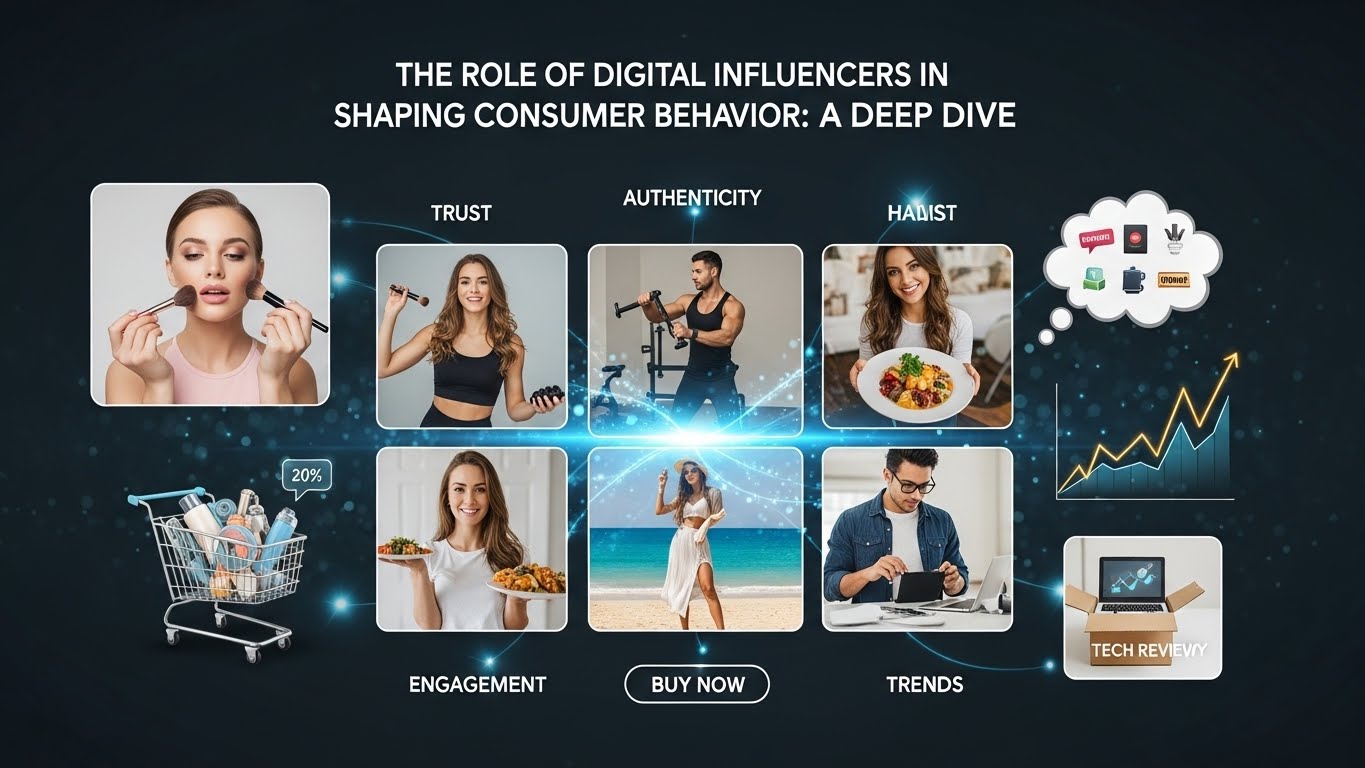
- Authenticity: Influencers often share personal stories or experiences, making their content relatable and genuine. This authenticity fosters trust, which is crucial for influencing consumer decisions.
- Engagement: Unlike traditional marketing, influencer marketing allows for direct interaction between the influencer and their audience. This engagement can take the form of comments, likes, shares, and direct messages, creating a two-way communication channel.
- Social Proof: When consumers see influencers using or endorsing a product, they perceive it as a form of social proof, validating the product’s quality or popularity.
- Personalization: Influencers often tailor their content to suit the preferences and interests of their audience, making marketing messages more relevant and impactful.
These mechanisms are supported by psychological principles such as social validation and the bandwagon effect, which suggest that people are more likely to engage in behaviors that they see others engaging in.
Case Studies: Influencers in Action
To better understand the role of digital influencers, let’s examine some real-world examples:
Beauty and Fashion
The beauty industry has been transformed by influencers like Huda Kattan and Chiara Ferragni. These influencers have millions of followers and are often seen collaborating with major brands to launch new products. Their reviews and tutorials can lead to significant spikes in sales, with products often selling out within hours of being featured.
Technology
In the tech space, influencers such as Marques Brownlee provide detailed reviews and insights into the latest gadgets. His opinions hold considerable weight among tech enthusiasts, often influencing purchasing decisions and even affecting stock prices of tech companies.
Health and Wellness
Influencers in the health and wellness sector, such as Kayla Itsines, have transformed the fitness industry by offering personalized workout plans and nutritional advice. Their influence is evident in the growing trend of home workouts and the increased demand for health-related products and services.

The Impact on Brands and Marketing Strategies
Brands have recognized the potential of influencers in reaching and engaging their target audiences. As a result, influencer marketing has become an integral part of many companies’ marketing strategies. Here are some ways in which brands are leveraging influencers:
- Collaborations: Brands partner with influencers to create sponsored content that aligns with their marketing goals. These collaborations can take various forms, including product reviews, giveaways, and exclusive promotions.
- Ambassador Programs: Some brands establish long-term relationships with influencers, appointing them as brand ambassadors. This strategy helps maintain consistent brand messaging and fosters deeper connections with the audience.
- User-Generated Content: Influencers often encourage their followers to create content related to a brand, which can be shared and endorsed by the brand itself. This approach not only increases engagement but also extends the brand’s reach.
The Future of Influencer Marketing
The evolution of influencer marketing is closely tied to technological advancements and changing consumer preferences. As social media platforms continue to evolve, influencers are likely to expand their reach through new formats such as live streaming, augmented reality, and virtual reality.
Moreover, the rise of micro-influencers—individuals with smaller but highly engaged audiences—indicates a shift towards more personalized and authentic marketing approaches. These influencers often have stronger connections with their followers, resulting in higher engagement rates and more effective marketing outcomes.

Conclusion: The Lasting Influence of Influencers
In conclusion, the role of digital influencers in shaping consumer behavior is both significant and multifaceted. By leveraging authenticity, engagement, and personalization, influencers have become powerful agents of change in the marketing landscape. As brands continue to harness the potential of influencer marketing, the relationship between influencers and consumers will undoubtedly evolve, paving the way for new opportunities and challenges in the digital age.
The impact of influencers extends beyond mere marketing; they are reshaping societal norms, driving cultural trends, and influencing purchasing decisions on a global scale. As we move forward, understanding and adapting to the dynamics of influencer marketing will be crucial for brands aiming to thrive in the ever-changing digital world.
Challenges in Influencer Marketing
Despite its many advantages, influencer marketing is not without its challenges. Brands and influencers alike must navigate a complex landscape to ensure successful collaborations. Here are some common challenges faced in influencer marketing:
- Authenticity vs. Commercialization: As influencers engage in more sponsored content, there is a risk of losing authenticity, which is the core of their influence. Consumers are becoming increasingly wary of overtly commercial content, which can lead to skepticism and reduced trust.
- Finding the Right Fit: For influencer marketing to be effective, brands must partner with influencers whose values and audience align with their own. This requires careful vetting and research to ensure that the influencer’s audience matches the brand’s target demographic.
- Measuring ROI: Quantifying the return on investment for influencer marketing can be challenging. While metrics such as engagement rates and follower growth provide some insight, the direct impact on sales and brand perception is more difficult to measure.
- Regulatory Compliance: As influencer marketing grows, so do the regulations surrounding it. Influencers and brands must adhere to advertising standards and disclose sponsored content to maintain transparency with their audience.

Strategies for Effective Influencer Collaborations
To overcome these challenges and maximize the impact of influencer marketing, brands can implement several strategies:
- Set Clear Objectives: Before launching an influencer campaign, brands should establish clear goals, whether it’s increasing brand awareness, driving traffic, or boosting sales. Clear objectives will guide the selection of influencers and the development of campaign strategies.
- Foster Genuine Relationships: Building long-term relationships with influencers can lead to more authentic and effective collaborations. By investing in these partnerships, brands can benefit from influencers who are genuinely passionate about their products or services.
- Leverage Data and Insights: Brands can use data analytics to gain insights into influencer performance and audience behavior. These insights can inform campaign adjustments and help optimize future collaborations.
- Encourage Creative Freedom: Allowing influencers creative freedom to present the brand in their unique style can lead to more engaging and authentic content. Influencers understand their audience best, and their creativity can enhance the brand’s message.
The Cultural Impact of Influencers
Beyond the realm of marketing, digital influencers have a profound impact on culture and society. They shape trends, influence public opinion, and drive conversations on social issues. Influencers have the power to amplify voices and bring attention to causes that matter to their audiences.

For instance, during global movements such as climate change awareness or social justice campaigns, influencers have played a crucial role in spreading information and mobilizing their followers. By using their platforms to advocate for change, influencers contribute to shaping public discourse and inspiring action.
Looking Ahead: The Evolution of Influencer Marketing
As the digital landscape continues to evolve, the role of influencers will likely change as well. Emerging technologies such as artificial intelligence and machine learning are expected to play a significant role in influencer marketing. These technologies can enhance audience targeting, content creation, and campaign analysis, leading to more efficient and effective marketing strategies.
Moreover, the integration of virtual influencers—computer-generated characters with human-like appearances—presents new possibilities for brands. These virtual influencers can be tailored to embody specific brand values and engage with audiences in innovative ways.
Final Thoughts
In the ever-connected digital world, digital influencers are more than just trendsetters; they are architects of consumer behavior and cultural change. Brands that recognize and harness the power of influencers can create meaningful connections with their audiences and drive lasting impact. As influencer marketing continues to evolve, staying informed about trends and best practices will be key to leveraging this dynamic and influential marketing channel.
Ultimately, the success of influencer marketing lies in its ability to foster genuine connections, encourage authentic storytelling, and create a sense of community. By aligning with influencers who share their values and vision, brands can navigate the complexities of the digital landscape and achieve their marketing goals in a meaningful and impactful way.
About the Author