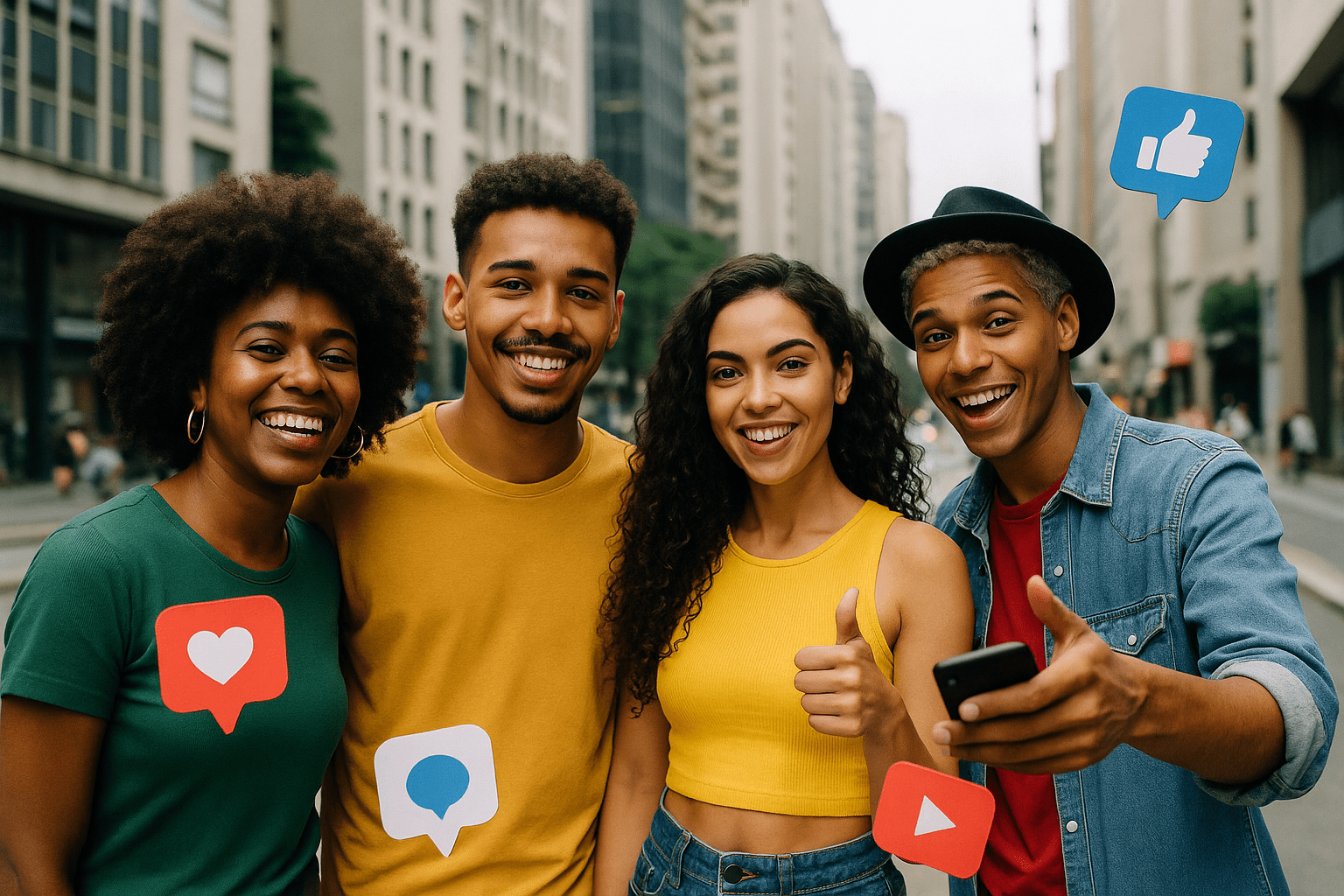
Editorial illustration of Brazilian influencers across urban scenes with social media icons
Updated: March 16, 2026
The evolving influencer Influencers Brazil landscape sits at the intersection of culture, commerce, and digital policy, challenging brands and creators to balance reach with responsibility.
The Brazilian influencer economy today
Brazil remains one of the most dynamic markets for digital creators in Latin America. Platforms such as Instagram, TikTok, and YouTube compete for attention across diverse regions, from large urban centers to smaller municipalities. The monetization mix has broadened beyond traditional sponsorships to include affiliate programs, live-stream shopping, and creator-owned product lines. While marquee names frequently grab headlines, most growth occurs in the long tail: thousands of micro and nano creators who cultivate trust within niche communities, translating local relevance into meaningful engagement and revenue.
Campaigns increasingly prioritize consistency, authenticity, and local context. Brands are experimenting with longer-term partnerships that tie brand purpose to creator storytelling, rather than one-off posts. This shift is accompanied by a need for clearer expectations around timelines, deliverables, and measurement. As audiences grow more conscientious about who they follow, the ability to demonstrate transparent impact—brand lift, sales attribution, or community sentiment—has become a competitive differentiator for both creators and advertisers.
Platform dynamics and audience trust
A Brazilian audience shows robust engagement with short-form formats, live video, and long-form explainers when the subject matters deeply or solves a local problem. The algorithms of leading platforms reward consistent posting and meaningful interactions, but they also heighten the importance of cultural literacy and language nuance. Creators who speak regional dialects or address specific community needs often achieve higher retention, even if their follower counts are smaller. This reality has pushed brands to diversify beyond the top tier of stars toward a broader ecosystem of trusted voices.
Transparency around sponsorships and disclosures supports trust, yet enforcement varies by platform and country. In practice, brands that invest in clear, consistent messaging about paid partnerships usually see stronger long-term engagement and fewer consumer pushback signals. For consumers, authenticity—whether a creator is sharing personally tested experiences or clearly marking paid content—often correlates with loyalty, repeat engagement, and willingness to explore a brand’s products or services.
Ethics, regulation, and risk management
As influencer activity accelerates, ethical considerations—truthful endorsements, medical or health-related claims, and the responsible portrayal of sensitive topics—become central to campaign design. There is a growing emphasis on disclosures that are simple to understand and visible to audiences, not buried in captions or hashtags. Beyond branding ethics, creators confront broader questions around data privacy, copyright, and age-appropriate messaging, particularly in content that targets younger viewers or integrates user-generated content.
Regulatory clarity remains uneven across platforms and jurisdictions, which can complicate cross-border campaigns. Brands and managers mitigate risk with due-diligence processes: vetting collaborators for past sponsored content, setting strict brand safety guidelines, and maintaining a crisis-response plan for potential missteps. The result is a more sophisticated collaboration framework where success hinges on alignment between creator values, brand purpose, and audience expectations.
Monetization and partnerships in Brazil
Monetization in Brazil has become more diversified. Agencies increasingly offer end-to-end services—creative development, contract negotiations, content localization, and performance attribution—allowing creators to focus on content while still driving measurable outcomes for brands. Live shopping and e-commerce integrations are expanding, particularly in metro areas with strong digital infrastructure, yet local relevance remains crucial for effectiveness. Creators who adapt their tone to reflect regional sensibilities—whether in language, humor, or cultural references—tend to outperform generic, transcreated campaigns.
Partnerships across sectors such as beauty, fashion, fitness, technology, and fintech illustrate a broad appetite for influencer-led campaigns. The most durable collaborations combine recurring content series, data-backed optimization, and creator autonomy, enabling authentic storytelling that aligns with audience expectations. Financial arrangements vary, from fixed fees to performance-based incentives, but transparency in compensation and deliverables remains a core determinant of sustained relationships and platform credibility.
Actionable Takeaways
- Invest in regionally authentic content: prioritize creators who understand local culture, language, and consumer behavior to maximize resonance and trust.
- Prioritize transparent disclosures: ensure clear labeling of sponsored content to protect audiences and strengthen brand credibility.
- Diversify across platforms: combine Instagram, TikTok, YouTube, and emerging formats to reduce risk and reach varied viewer preferences.
- Partner with mid-tier and local creators: these voices often deliver higher engagement rates within regional communities at a sustainable cost.
- Establish clear measurement frameworks: tie content to concrete metrics (reach, engagement, conversions, long-term brand sentiment) and share learnings across teams.
- Develop a risk-management playbook: vet collaborators, set guardrails for content, and maintain a rapid response plan for potential missteps.
Source Context
For broader context on influencer-related narratives in media coverage, consider the following reports: