Updated: March 16, 2026
The term wellness Influencers Brazil has become a fixture in the digital landscape, where creators blend fitness tips, mindfulness prompts, and lifestyle endorsements to shape consumer choices. This report offers a deep, data-informed look at how the space evolved, where credibility meets commerce, and what audiences and platforms should demand from wellness content in Brazil.
The Rise and Risk of Wellness Influencers Brazil
Brazil’s market for wellness creators surged during the past decade, buoyed by widespread mobile internet access, rising health consciousness, and a consumer willingness to seek guidance online. Content spans fitness routines, nutrition tips, mindfulness practices, beauty rituals, and lifestyle endorsements. As audiences grew, so did sponsorships, merchandise, and live events. Yet the economic incentives created a spectrum of quality: some creators emphasize practical, evidence-based guidance, while others chase engagement through sensational claims or unverified remedies. The health-claims landscape remains loosely regulated, leaving audiences exposed to misinformation and promotional content that blends personal experience with medical assurances.
This dynamic matters in Brazil because many viewers first encounter wellness messaging on smartphones, often in informal Portuguese or regional dialects. The speed and scale of platforms can compress nuance: a single post can become a trend, driving product purchases or service sign-ups before any clinical verification occurs. The result is a landscape where trust is the currency and missteps carry real costs, from wasted spending to risky health decisions.
For brands and platforms, the implication is clear: the ecosystem rewards credible voices but only when quality signals—transparency about sponsorships, citations of sources, and clear disclaimers—are present. Absent those signals, incentives tilt toward shortcuts over expertise, which ultimately erodes audience trust.
Content, Credibility, and Consumer Skepticism
Viewers increasingly seek wellness content that promises rapid transformations, yet many learn to weigh claims against professional guidance. The strongest creators publish sources, invite licensed professionals, and clearly separate personal experiences from medical recommendations. In Brazil, regulators and platforms face pressure to clarify what constitutes safe, responsible advice, particularly for remedies that claim to substitute medical care.
Crucially, audiences grow more skeptical when disclaimers appear after content has already gone viral; timely, accessible explanations with links to credible sources can help maintain trust and reduce harm. Content that invites discussion with qualified experts tends to perform better over time, even if it reaches a smaller immediate audience.
Platform Dynamics: How Algorithms Reach Brazilian Audiences
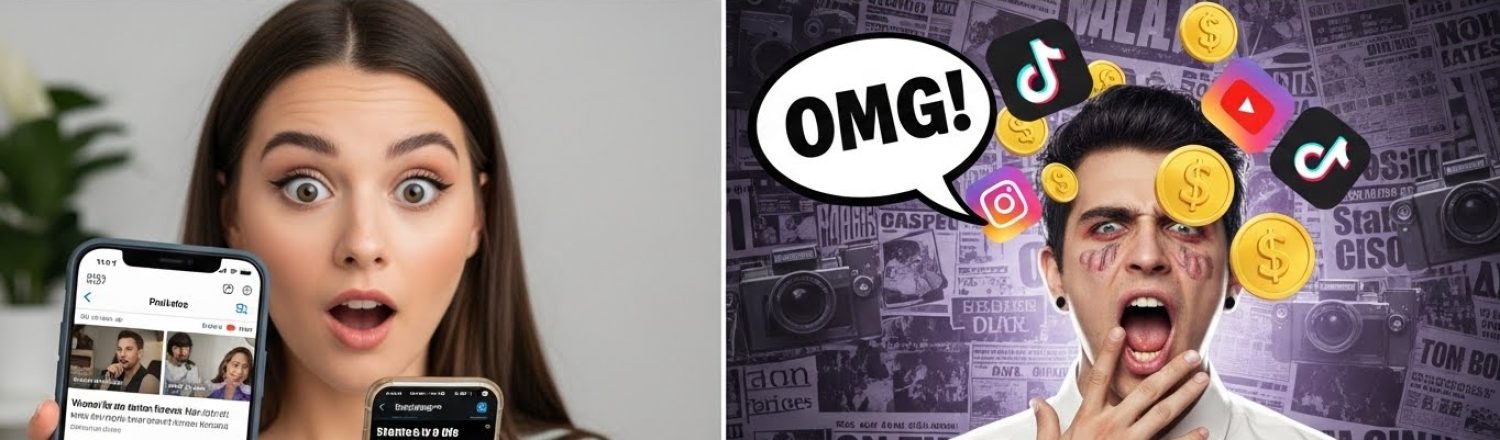
TikTok and Instagram Reels accelerate trends, while YouTube enables deeper dives. In Brazil, mobile-first behavior, regional language variations, and strong influencer networks mean short-form content dominates, often with subtitles and local references. The algorithm can amplify emotionally resonant narratives—stories of rapid changes or dramatic claims—creating a cycle in which exposure outpaces careful evaluation.
For creators seeking credibility, balancing entertainment with verifiable information—such as citing peer-reviewed guidelines or consulting healthcare professionals—can preserve reach while reducing potential harm. Transparent disclosures about sponsorships and intent further help audiences discern motive from message.
Sustainability and Professional Standards
Industry voices argue for a sustainable model built on certifications, clear sponsorship disclosures, and collaborations with licensed professionals. Platforms, in turn, could curb risky claims by surfacing context panels, linking to reputable resources, and offering literacy tools tailored to Brazilian audiences. Such steps would not only improve safety but also elevate the legitimacy of wellness creators who invest in accuracy and accountability.
Actionable Takeaways
- Creators should disclose sponsorships clearly, avoid presenting unverified medical claims, consult licensed professionals for health-related guidance, and distinguish personal experiences from clinical advice.
- Brands must require verifiable credentials, partner with healthcare professionals, fund safety‑first campaigns, and audit outcomes to prevent promotion of high‑risk interventions.
- Platforms should strengthen enforcement of health misinformation policies, surface credible resources, and provide contextual prompts for Brazilian users to encourage informed decision‑making.
- Audiences can improve media literacy by cross‑checking information with licensed professionals, verifying claims before acting, and using platform tools to assess credibility.
Source Context
From an editorial perspective, separate confirmed facts from early speculation and revisit assumptions as new verified information appears.